A Stroke of Beauty
Recently, I’ve been shotgunned to a position of adulting in a way none of us are prepared for and were, honestly, lied to about ever reaching someday. I’m in my 40s and well past the adult stage, but just now realizing I am coming to terms with it while handling family emergencies — yes, emergencies plural — back in central Illinois. While returning a router I didn’t order, I mentioned this adulting annoyance to the Spectrum employee who nodded and sagely added, “Adulting is a scam.” Truer words have never been spoken.
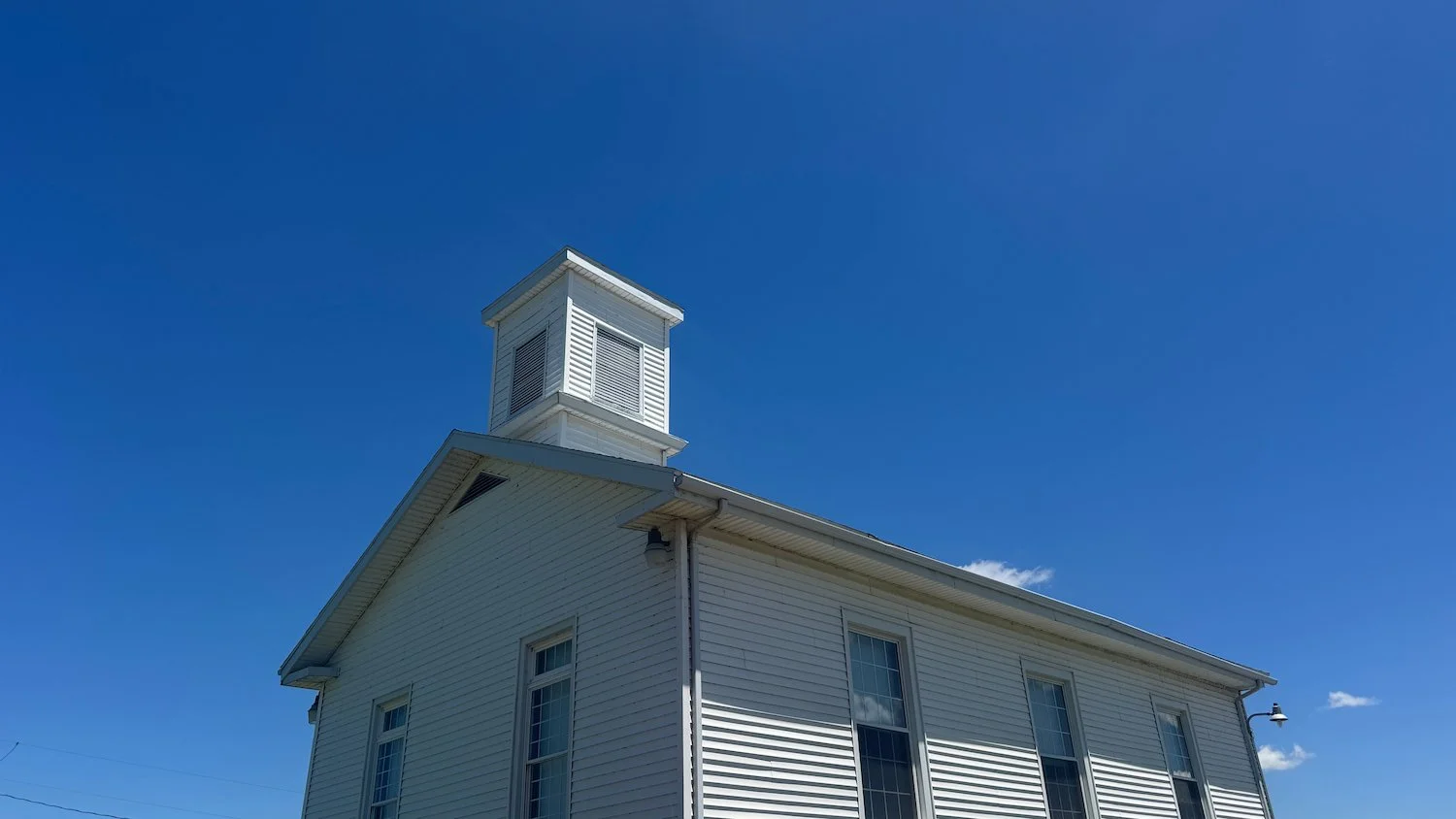
Even though I’ve spent the better half of a month helping to put out fires back in Illinois, I also stopped to look around me. This was the quiet place where I grew up amongst the corn fields and lush, treelined roads. The small towns of 700 and the big towns of 111,000. (L.A. has a current population of 3,869,891.) While making the 45-minute journey between Peoria and Galesburg, I was reminded of one of my favorite poems by William Carlos Williams:
so much depends
upon
a red wheel
barrow
glazed with rain
water
beside the white
chickens.
The poem is kind of short and silly at first glance, but I always liked it mostly because it was easy to memorize. But these last few weeks during the crisis of Aunt Leesa’s massive stroke and the sudden passing of my cousin Kurt, I think I finally understand this meditative poem’s meaning.
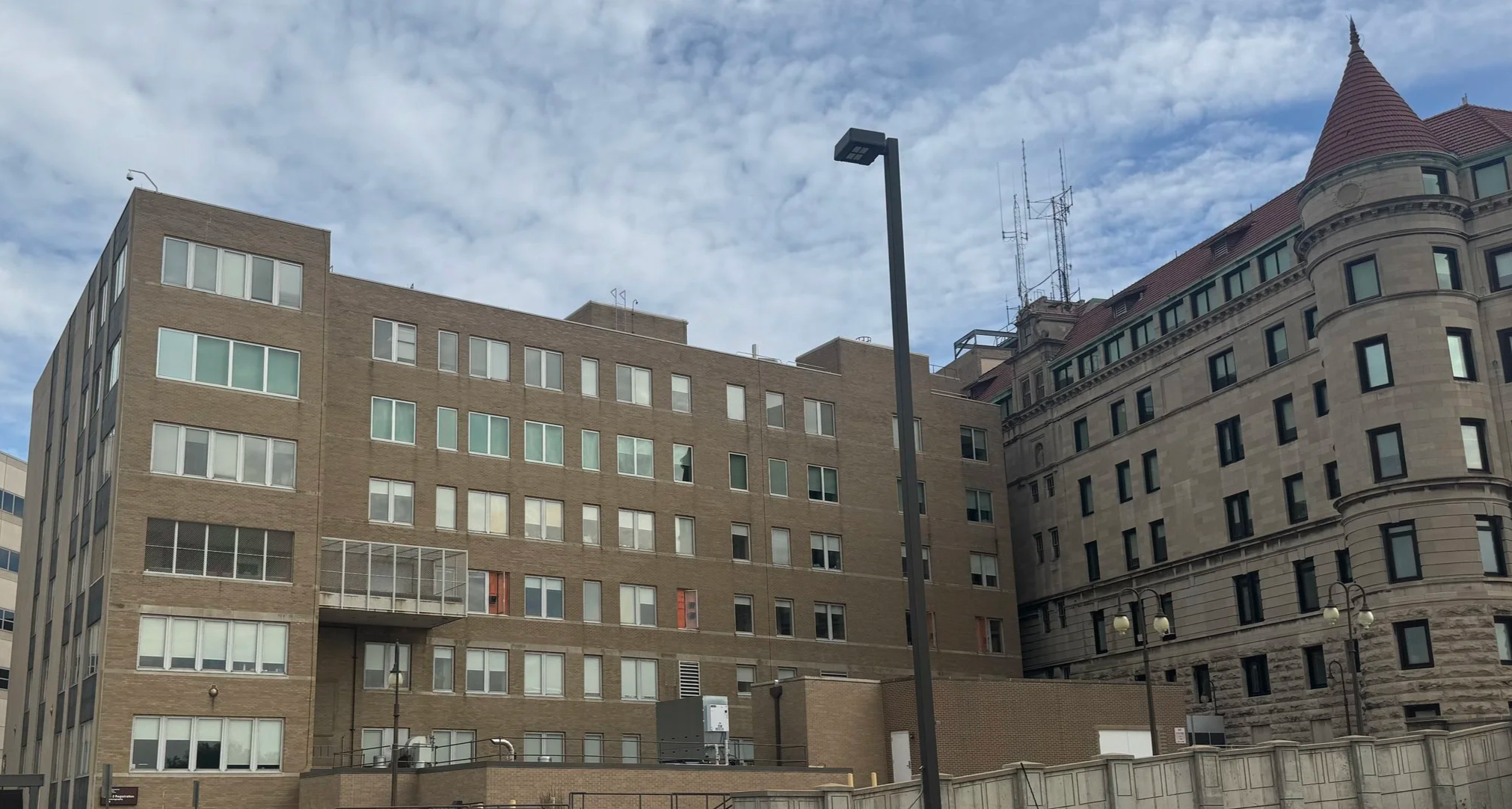
Time is a blur when you’re in a hospital. It’s kind of the opposite of Vegas when you don’t know what day or time it is, you’re losing money, but you’re having fun. In a hospital you’re completely aware of every minute, every symptom you’re observing, every doctor and nurse’s name, you’re losing money, but very much not having any of the fun. However, I was delighted to discover some creepy backroom vibes in the older part of St. Francis Hospital. As I waited for my aunt to get back from her CT scans, I was walking those old halls imagining the scariest movie I could write there.
But back to the poem.
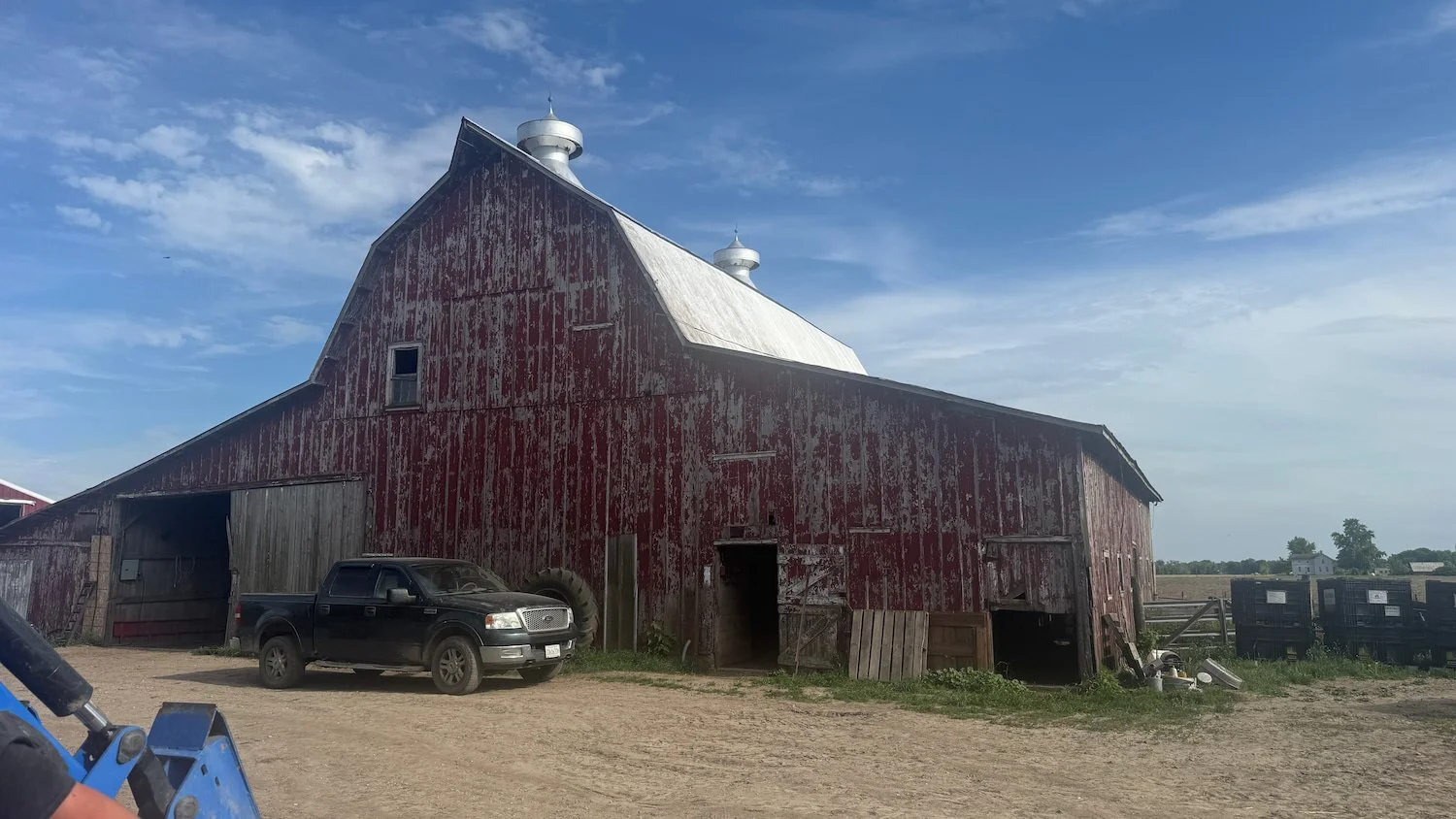
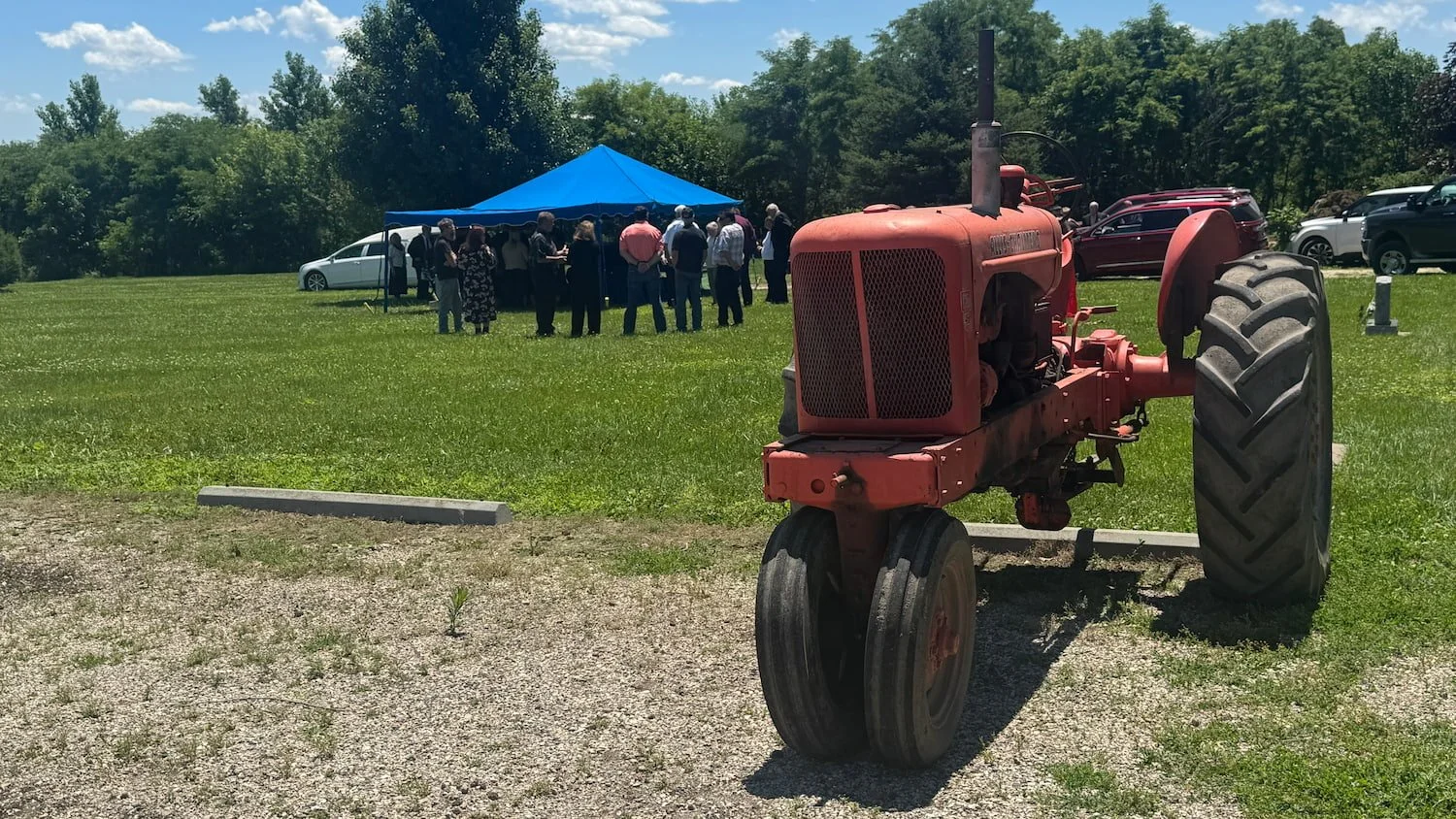
I think it means even the simplest things are meant to be admired. Just because something is useful doesn’t mean it isn’t also beautiful. The wheelbarrow has to do a lot. Hold a lot. Not just food for chickens, but efficiency for the farmer. And it must endure the elements like rain. That red paint is no doubt peeling. Yet it remains. Like the wheelbarrow, my cousin Kurt was the cornerstone of the Benson family farm. Hundreds of people showed up to pay their respects. I was floored as we passed farmhouse after farmhouse where tractors were parked out front for display. For Kurt. Where the farmers stopped their plows and lawn mowers to stand, heads bowed and ball caps over their hearts. It reminded me that good does exist in the world, and anyone who dismisses “flyover states” as dumb country bumpkins is missing the point.
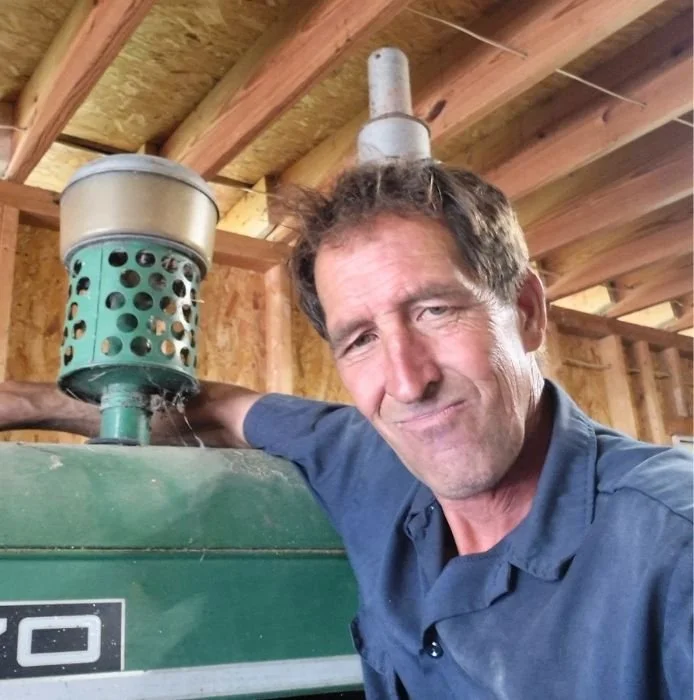
A farm life is far from simple. It’s a 24/7 job that includes more than just mucking manure, planting the crops, caring for the cattle, and maintaining the machinery. Kurt was able to do it all, maintain a sense of humor, and raise a family of his own who raised families of their own. On my visit just two weeks before he passed, he took me to his garage and waved his hand at the retro Oliver tractor parked inside. "It’s all ate up. It won't run anymore, but it would be great for parts." I couldn't help but see the similarities. Kurt knew he wouldn't run as fast as he could before, but he hoped perhaps there was use for him yet as a father, a grandfather, and a loving husband. Sadly, his expiration date hit, but thanks to him the Benson clan is strong in central Illinois even if my sister and I leave behind a “genetic cul-de-sac” per Shawna’s insight.
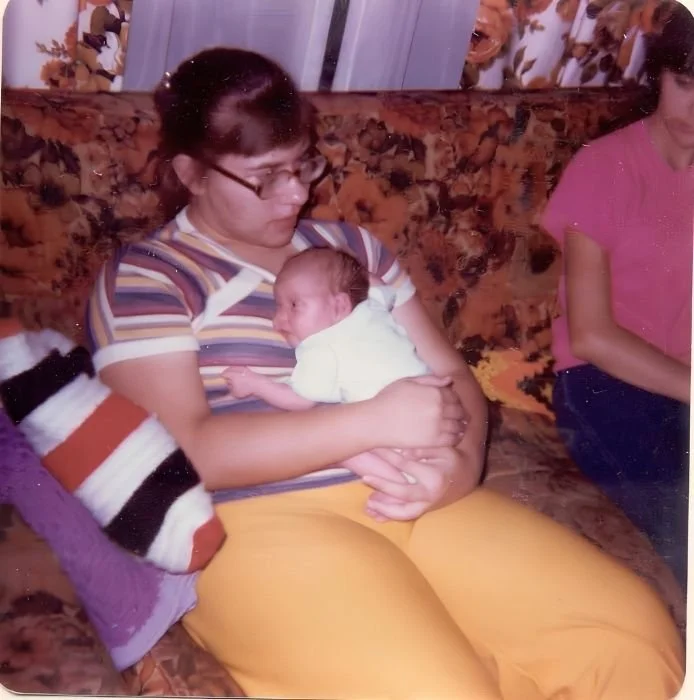
Over on the other side of my family tree is my mother’s sister, Aunt Leesa. I’ve been told I’m a lot like Leesa. Sardonic, opinionated, strong, caring, funny… a rock. So when she suffered a massive stroke that has since left her unable to find the right words or move her right side, it was a shock to everyone. The worst case scenario had reared its ugly head: The cornerstone of caregiving needed care.
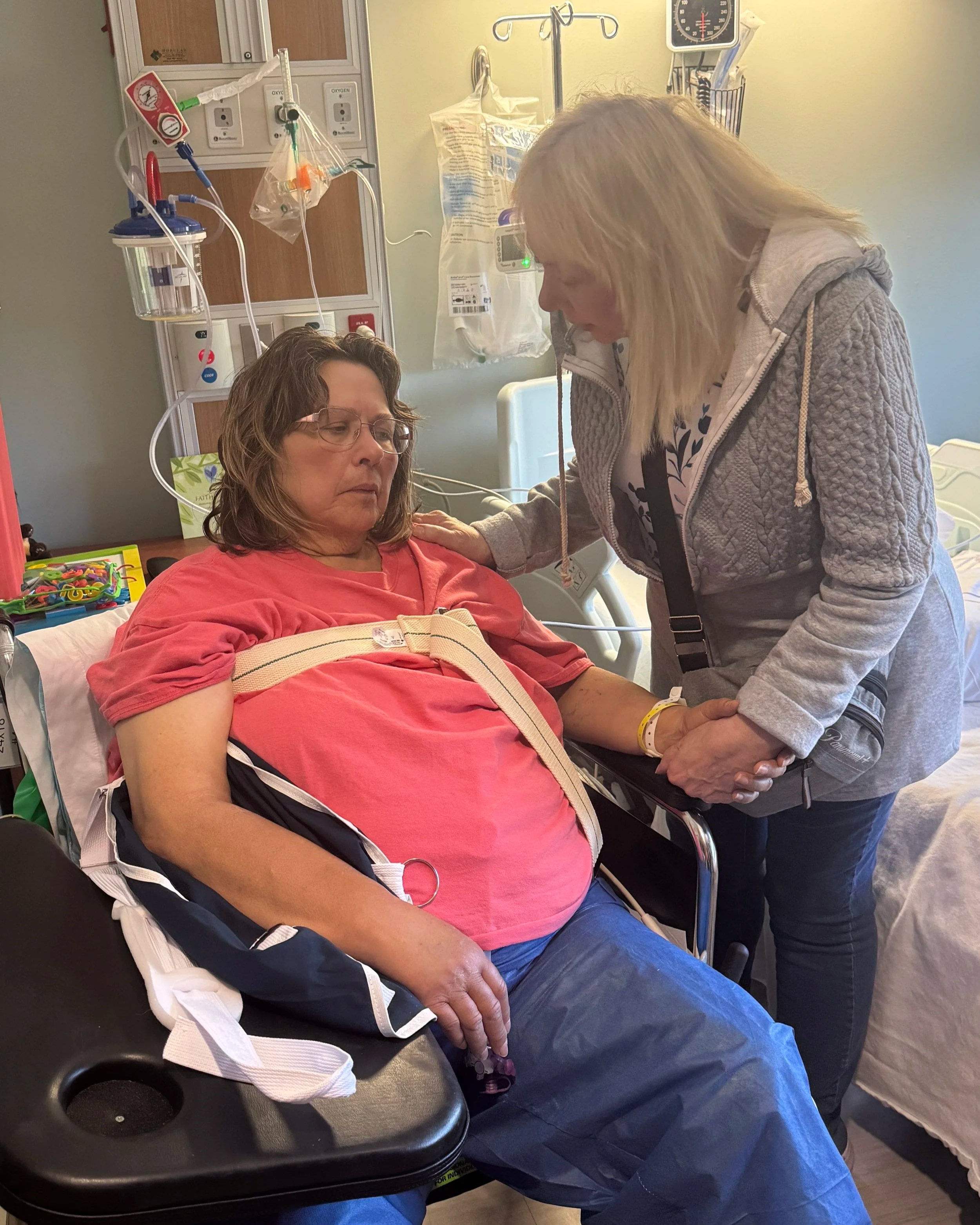
See, she was the kind of woman who failed to put on her oxygen mask before helping others. We all know someone like this, and if you’re lucky, you have one in your close family or friends. Watching that person lie in a hospital bed unable to really communicate other than nods, repeating the words “My” or “Your” or “No” is surreal and sad. We’re hopeful she makes a full recovery, and she is currently stable. The rest of us? Well, that’s yet to be determined. My family has spent the last month trying to get everyone on cruise control in terms of bills, doctors, dogs, and groceries. So much depends upon online ordering.
I’ll spare you the more gruesome details, but just know it involved my sister and me spending overnights at the hospital and repeatedly cleaning out a suction tube. TMI? Don’t care. This might be something you have to do someday and I guess that’s part of the point of telling you all this.
But through this hardship I’m learning a little something about myself. Something my therapist casually mentioned to me last year. My imagination is a powerhouse in a writers’ room and extremely useful in my writing career. I swear when my therapist gave me that a-ha moment, my slightly-out-of-focus fisheye lens of a life came into a “Jaws” dolly zoom. Imagination is my superpower but it comes with kryptonite: anxiety.
Read that again. If you’re like me, your imagination helps you thrive in writing, but can spiral you into anxiety when left unchecked in your day to day. The thing that made me great at all those assistant jobs was that I could anticipate and put out fires before they happened. I could imagine the worst case scenarios and prepare for them. But I forgot to turn that off when I got home. Hence the ramp up of anxiety that has riddled my day to day from there on out.
I’ve always had an overactive imagination. Scared of sleeping in the dark and the monsters in my closet. I was certain I caught whatever ailment I recently heard or read about. I’d fantasize about my crushes crashing into me… arms full of groceries… and while helping me pick up the baguette and can of chickpeas he’d notice I’m pretty, funny, and probably the perfect girl he never would have met otherwise. Don’t look at me like that, you KNOW you have one of those dream meet-cute scenarios too. Worrying is something I’m really good at, and yet worrying is just imagining… the worst.
Now, I try to remind myself, when I spiral into catastrophizing or freaking out about my future, to “LEAVE IT IN THE ROOM.” Simply deposit all thoughts, concerns, and what-ifs onto the whiteboard/corkboard of life and then move on.
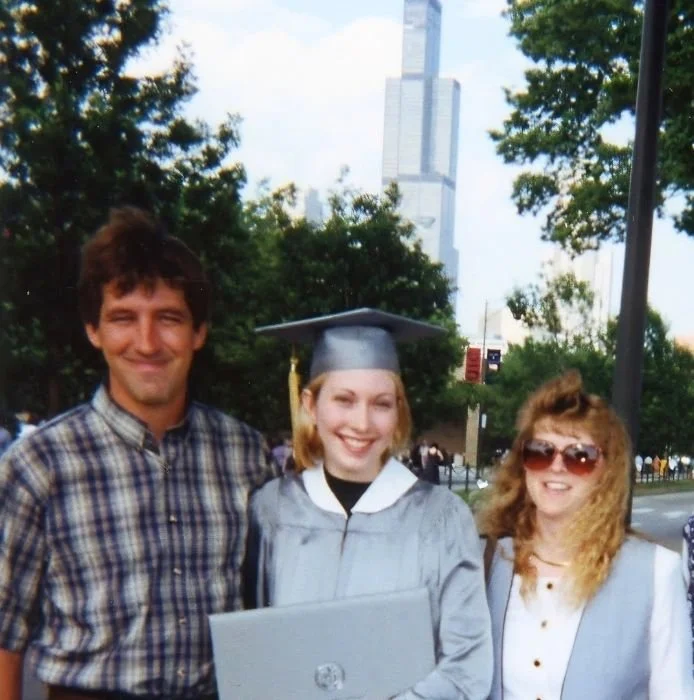
Last week, when I flew back to Illinois again to help my aunt and this time to mourn my cousin, I knew my superpower would get me through it, but I also prepared for my imagination to conjure up worst case scenarios. But even I was humbled by the reality of the situation and the waves of constant humanity that hit upon the shore of my aunt’s survival and my cousin’s passing.
So much depends
upon
an orange Allis
Chalmers

We never stop writing. Even though I was experiencing all of this real-time trauma, I was observing the kindness of the nurses. The unawareness of the sixteen year old Culver’s drive-thru attendant that didn’t know that failing to remove the cheese from my father’s burger could be the very thing that would push him over the edge. The absurdity of the Bass Pro Shop outside my window, promoting boat rentals for the Memorial Day weekend. Oh yeah, it was a holiday weekend when this all started, and it’s closing in on one as I write this — happy 250th, America. I’d like to make a few returns.
I returned to L.A. feeling helpless that I couldn’t assist more but realizing my wheelbarrow is my ability to tell a story. I may not feel like it all the time, may not be paid for it all the time, but I’m doing it all the time. And I bet you are too. I tend to flinch when I hear “write what you know” because it usually means I write something personal that nobody cares about but me and maybe my mom who is my biggest fan (thanks, Mom). But I don’t think I’ve ever really written what I actually know. Even now, I’ve avoided giving specifics to make sure family members don’t get upset or feel judged or misunderstood. But I’m writing about this because it’s what I know. I don’t know if I’ll ever put it in a script someday, but it’s reality. And these stories happen every day. All day. That’s what makes movies and TV shows so special. They distill this human experience into something we all can relate to - or at least feel - and then we don’t feel so alone.
If you’ve read this far, I don’t feel alone, and neither should you. I know you’re going through it, and I know the entertainment industry isn’t easy. But I also know that if you go back to something easier, you won’t be happy. You wouldn’t be imagining your dream while sitting in your car, passing a corn field, working on a farm, or living in a cookie-cutter suburb. Don’t get me wrong: You can write and dream in all those places. Hell, today you can even make movies and TV shows there.
Yes, our imaginations are wheelbarrows in which our stories are held, but the chicken feed needs to be spread; the wheelbarrow isn’t meant to just hold onto things. We have to let them go. Then live more life to fill up that wheelbarrow to create more stories to release into the world. Not so we are unburdened, but so others know they aren’t alone.
So this is my letter to you to encourage you to write. No matter what you’re going through. No matter how much you feel unheard. Get it out. Get it on paper. We’re depending on you.