Podcasts are all the talk… show
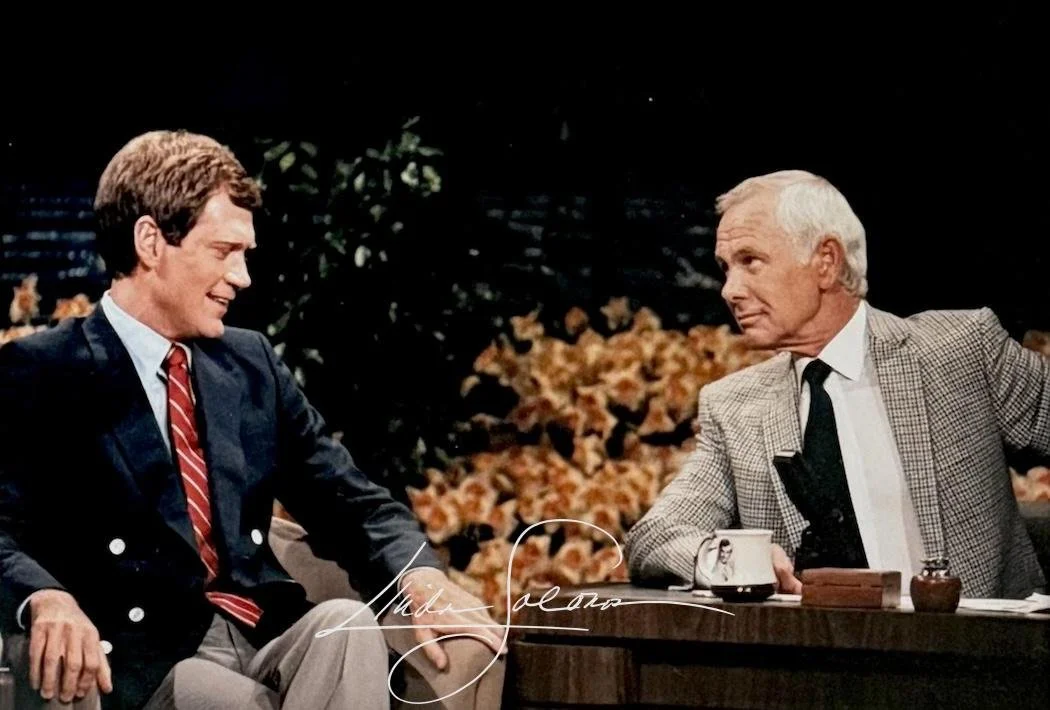
Photo by: Linda Solomon
When Netflix CEO Ted Sarandos said, "As the popularity of video podcasts grow, I suspect you'll see some of them find their way to Netflix," he wasn't just predicting a trend. I think he was announcing a strategy. Netflix isn't buying The Ringer's podcasts just because they love podcasts. Amazon isn't streaming "New Heights" because they're passionate about the Kelce brothers. I think they're doing it because they've figured out how to deliver talk show programming at podcast prices. But what actually makes something a "podcast" versus a "talk show"? Because if the answer is "just the label," then we need to have a serious conversation about who benefits from that ambiguity.
Spoiler alert: It's not the workers. But before we dig into that, we have to go back…
I used to love watching David Letterman’s talk show every night. I had seen reruns of Johnny Carson and understood that the late night talk show circuit was something embedded deep within the broadcast television infrastructure. It wouldn't dawn on me until years later that some of those actors and musicians plopped on the couch were there either due to contractual reasons or marketing synergy within the corporate structure.
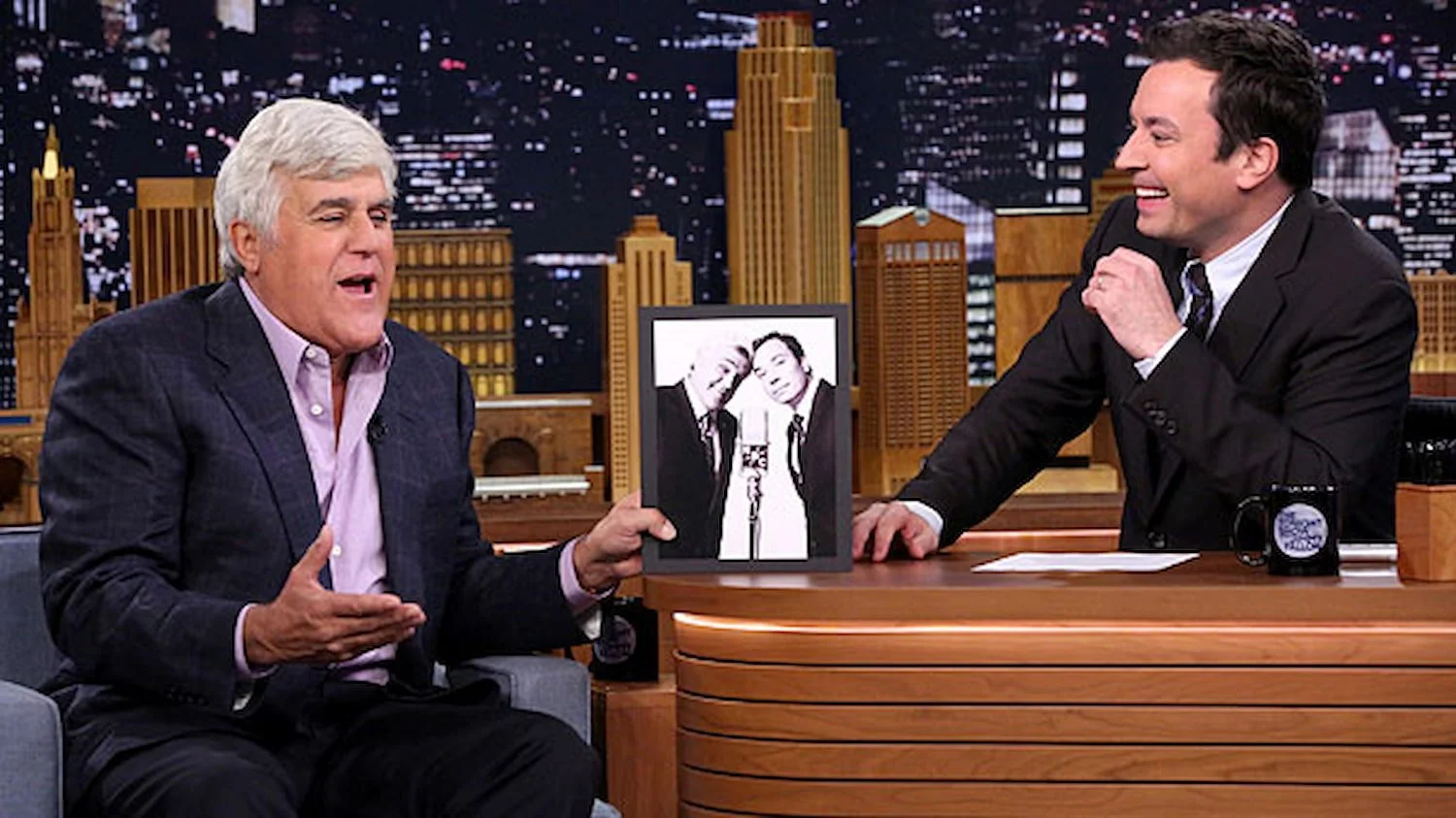
Anyone hawking their network/studio/publisher specific show/movie/book would benefit the mother company which would, in turn, feed the talk show circuit in an ouroboros friends with benefits situation. It wouldn’t be odd to see these hosts chatting with guests from their parent companies subsidiaries, but they still remained relatively independent in terms of booking. This was the case even when Letterman filled in before moving to CBS (which was bought by Viacom, owner of Paramount). Jay Leno took over in 1992 and by 2004, NBC merged with Universal.
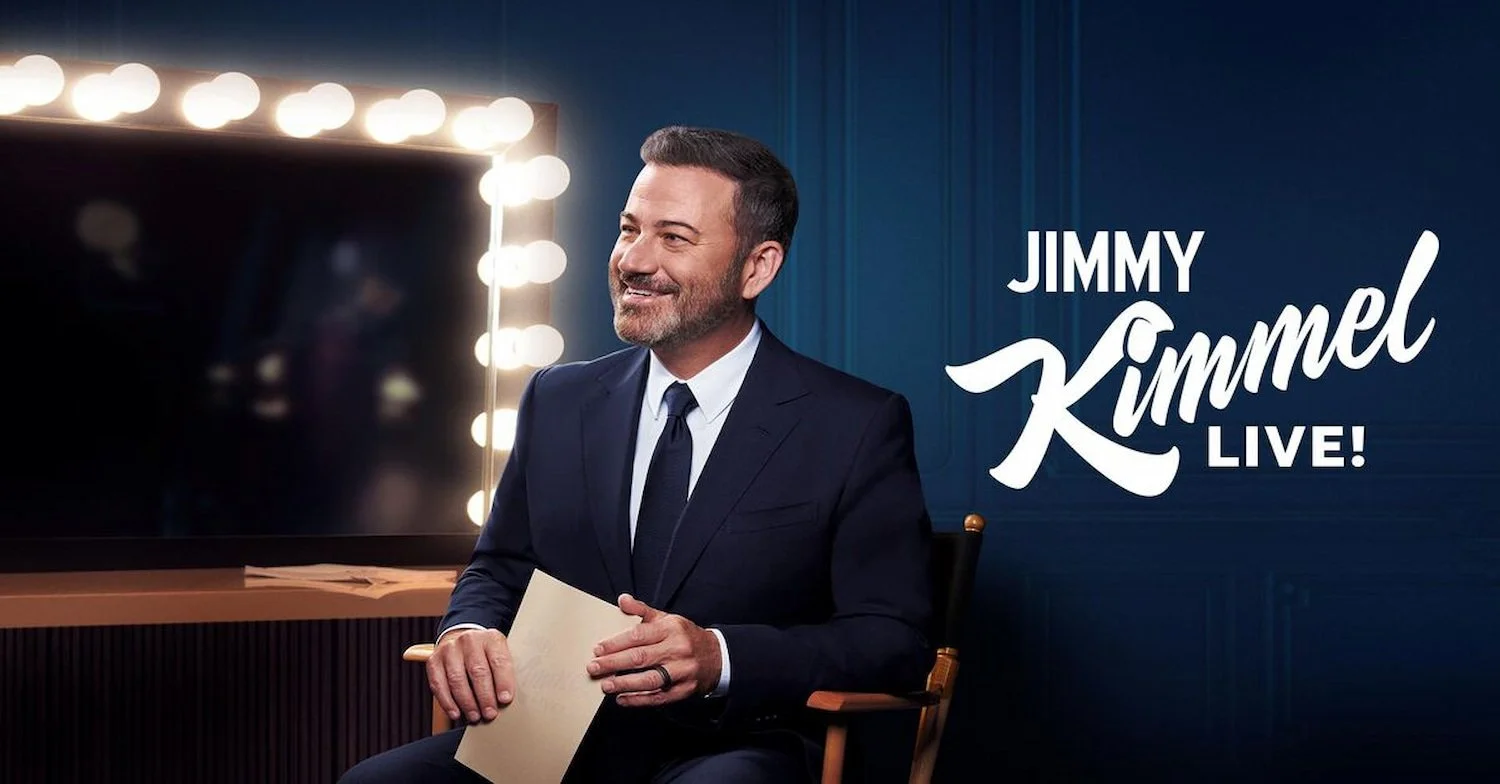
Jimmy Kimmel shoots his talk show for ABC (Disney), and Jimmy Fallon for NBC (Universal). Over on CBS, Colbert is helping Paramount right up until his Emmy-award winning show (stupidly) ends in May 2026. Well, sort of helping, less than 10% of his guests are explicitly promoting CBS/Paramount Global properties. Maybe that’s why they’re mad at him?
Advertisement
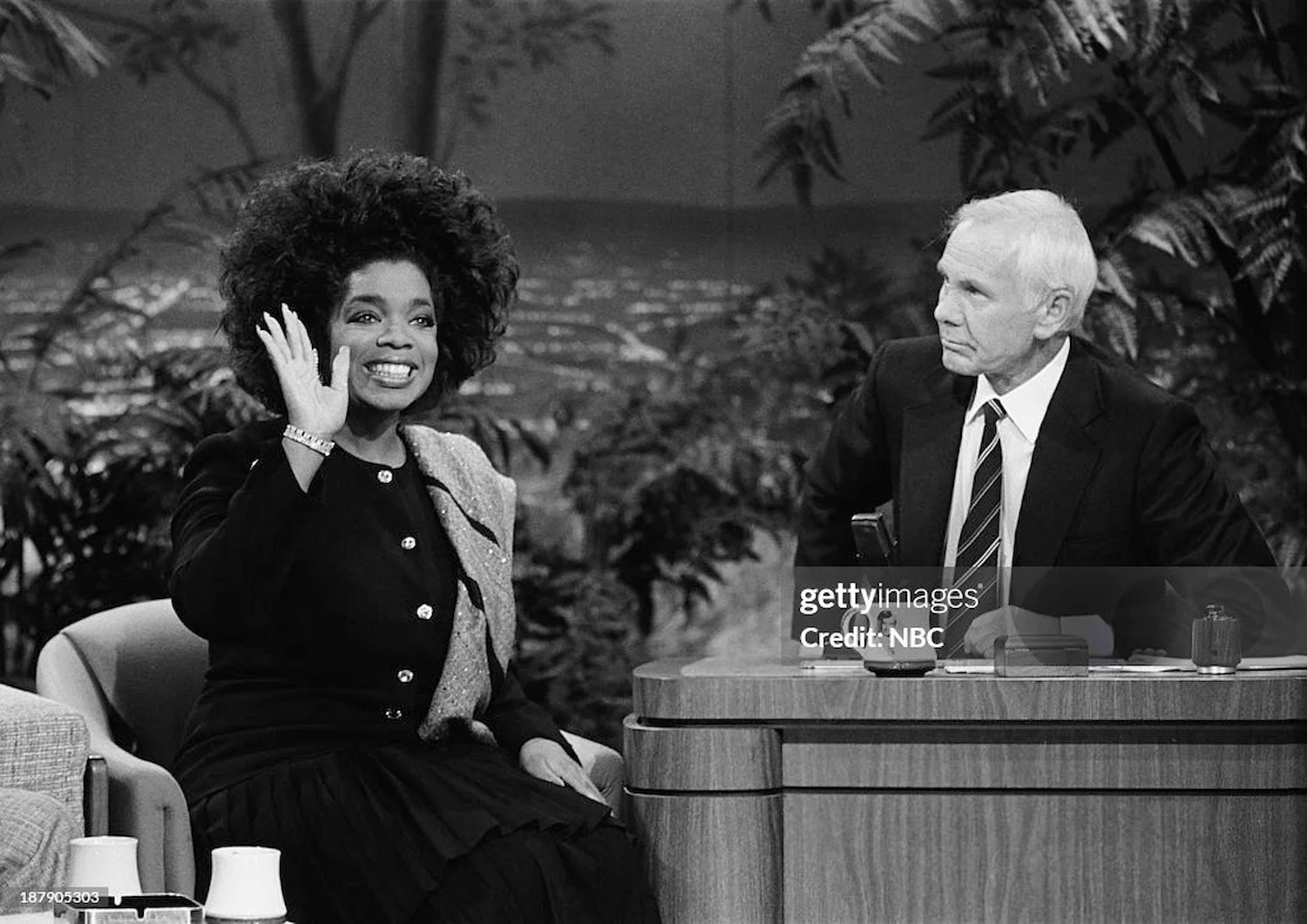
Daytime talk shows would handpick a celebrity/journalist/comedian and plop them on the couch to do the same thing as late night, but for the morning crowd. Oprah broke that mold by owning her show through Harpo Productions, making her the first woman in history to own and produce her own talk show. Comedian Ellen DeGeneres had a popular daytime talk show from 2003-2022 but it kinda ended on a low note what with rumors of a toxic workplace and sort of due to COVID restrictions.
COVID allowed the talk shows to continue shooting without a studio audience and sometimes without a studio. That proved to them the live audience is a bonus, not a necessity. A glitch in the well-oiled-machine matrix, but all in all, the machine worked.
We got entertained, educated about new books, TV shows, movies, heard the latest hit song, comedians got their 5 minutes (which sometimes eventually turned into a comedy series), and advertisers got their 30 second spots to sell us their latest and greatest product. Then came cable and they took the already working format and ran with it. Everyone made money and could afford at least a middle class lifestyle. Everyone was relatively happy except for the occasional grumpy actor who was forced to join the media circuit contractually but wasn’t happy doing it.
Union jobs are what made that machine work behind the scenes: WGA-covered writers created segments and jokes, SAG-AFTRA governed host and guest appearances, union crews got health benefits and pension contributions, residuals were paid when episodes replayed, and syndication deals generated massive revenue. The infrastructure had costs, sure, but it also meant everyone operating within it had protections and clear standards.
Then Came Streaming
They essentially upset the apple cart and with it, said, "What if we didn't even sell apples anymore OR used a cart to get them to consumers?" Viewers have mostly followed them to the stream or peeled off into yet another exit strategy from TV into YouTube and audio podcasts. There is a niche for everything and everyone and for that I’m grateful.
But now, you can't just have an audio podcast, you must also shoot video thus giving you a two-fer when it comes to content creation. And who can blame them? Why wouldn't you want all the avenues of viewership? It's no different than radio moving to TV.
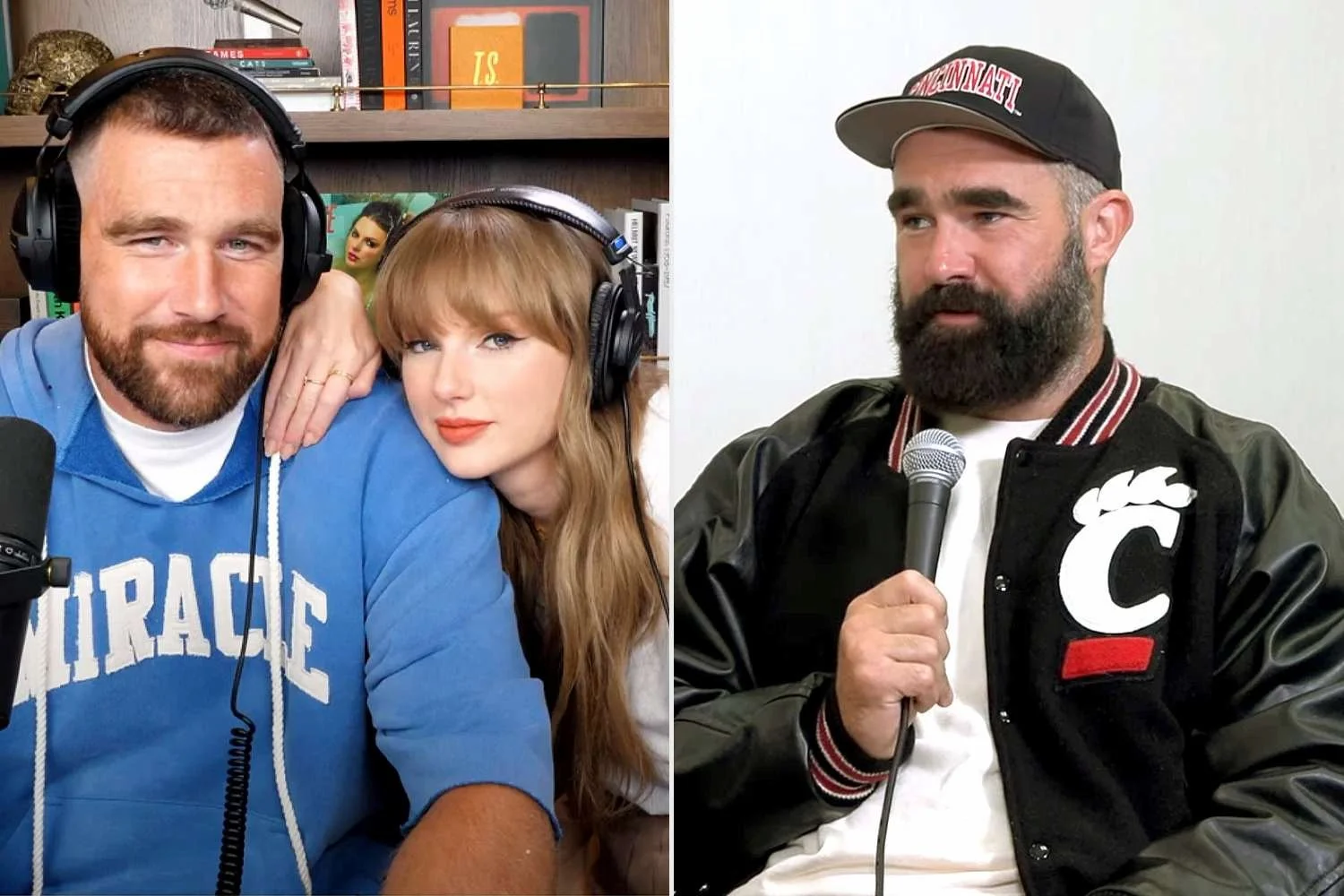
Now Netflix is scooping up as many of the hit podcasts that they can, like Bill Simons’ “The Ringer” podcast empire. And they're not alone. Amazon is streaming the Kelce brothers' "New Heights" on Prime Video through their Wondery subsidiary. Spotify’s flagship exclusive, Joe Rogan, is now on Apple Podcasts, Amazon Music, and YouTube after a deal reportedly worth $250 million. And if this works, Apple TV+ will inevitably follow. They already have Apple Podcasts, Apple Music, and billions spent on original films.
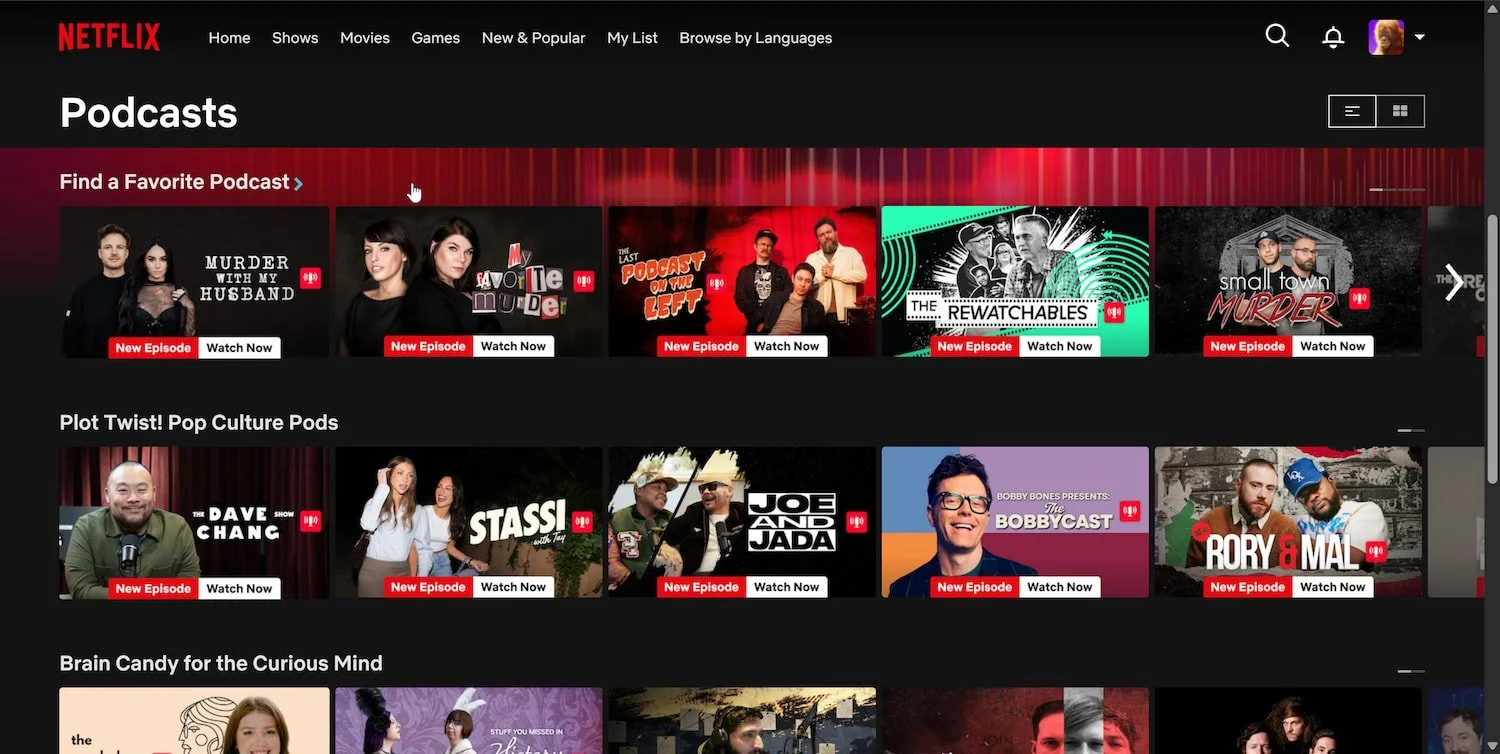
Over the weekend, I snooped around Netflix’s menus, dug up the Podcast category, and scrolled through “The Ringer” shows and more. This got me thinking… Amy Poehler's “Good Hang” podcast flies under “The Ringer” banner, so will her show be up for sale on Netflix soon? Ooh, and if so… does that make her a new talk show host? Our next Ellen (hopefully without the abusive backstage drama)?
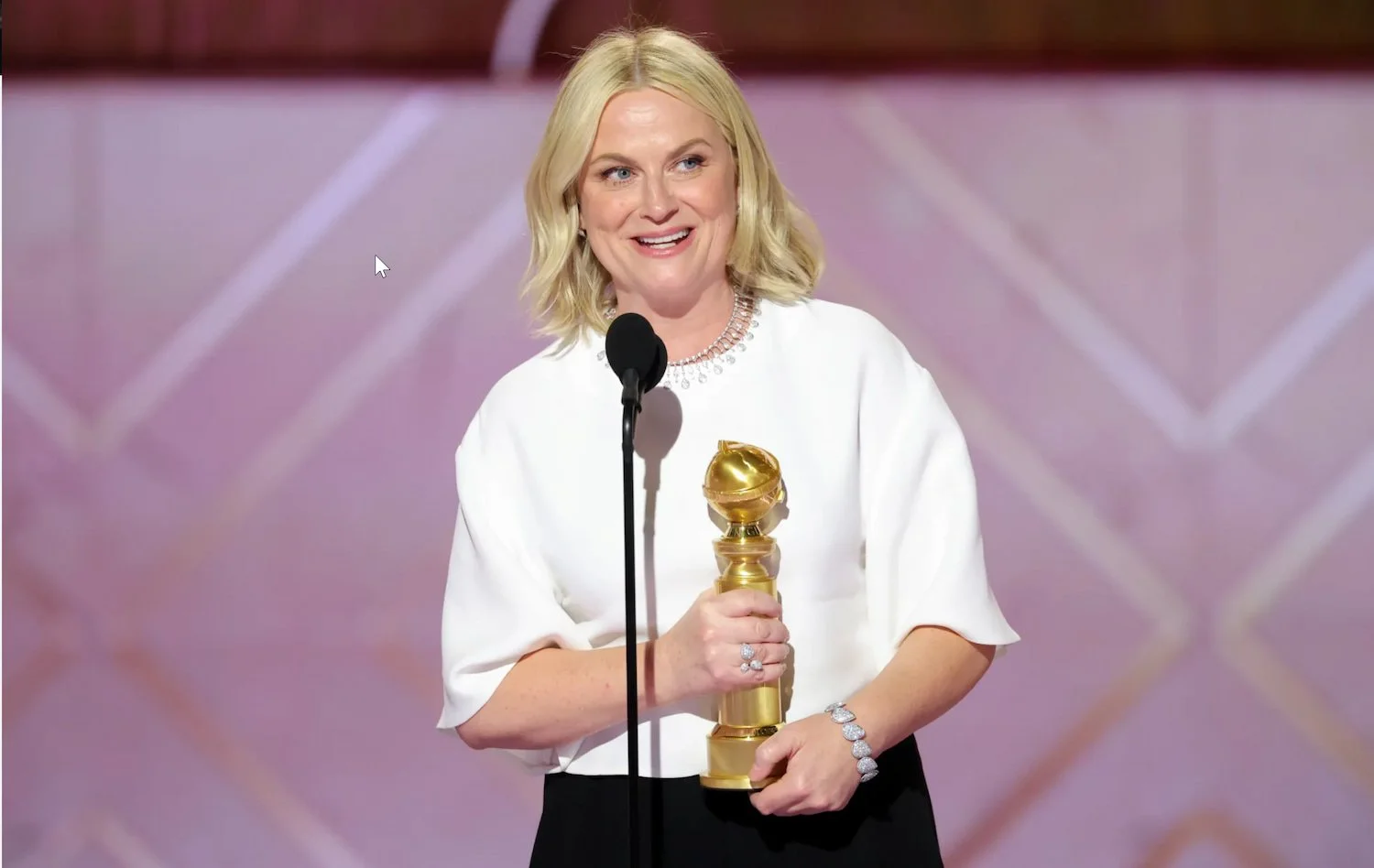
I mean I love Poehler’s podcast. She's hilarious and has great celebrity guests who are also delightful. And I’m not alone, she just won the first ever Golden Globe for podcasts. That’s right, podcasts are considered a form of entertainment worthy of being recognized for an award by the Hollywood Foreign Press. There have been many podcast awards in the past, but this might be the first to go international. And hey, I would watch an Amy Poehler talk show, but I don't have to, because she has a video podcast, with no doubt a small but dedicated crew. A camera person, lighting, hair/makeup, a producer researching the guests… wait, this is sounding more and more like a talkshow.
But is that what Netflix is calling this “content” in the deals? Are all of these new thumbnails of content protected under the various MBAs for daytime TV, reality TV, etc.? Or are the podcasts simply considered podcasts? If the former, great! People will get paid (albeit underpaid) and we can all move on. If the latter, then we're in big trouble.
The Legal Grey Zone
I super duper love (read: loathe) digging around in contracts, MBAs and legalities, but I did for this and found:
For the podcast hosts and talent: SAG-AFTRA has two podcast agreements available, but they're opt-in. Producers have to voluntarily sign up. Most celebrity interview podcasts operate with no union coverage whatsoever. There are no standardized minimum payments, no required health benefits, no pension contributions.
For the podcast writers (if they exist): WGA only covers "fiction podcasts covered by a WGA contract." Interview-format podcasts like "Good Hang" don't fall under WGA jurisdiction at all.
For the podcast crews: Individual shows may have union contracts, but most don't. It's the same loophole that's kept reality TV workers unprotected for two decades.
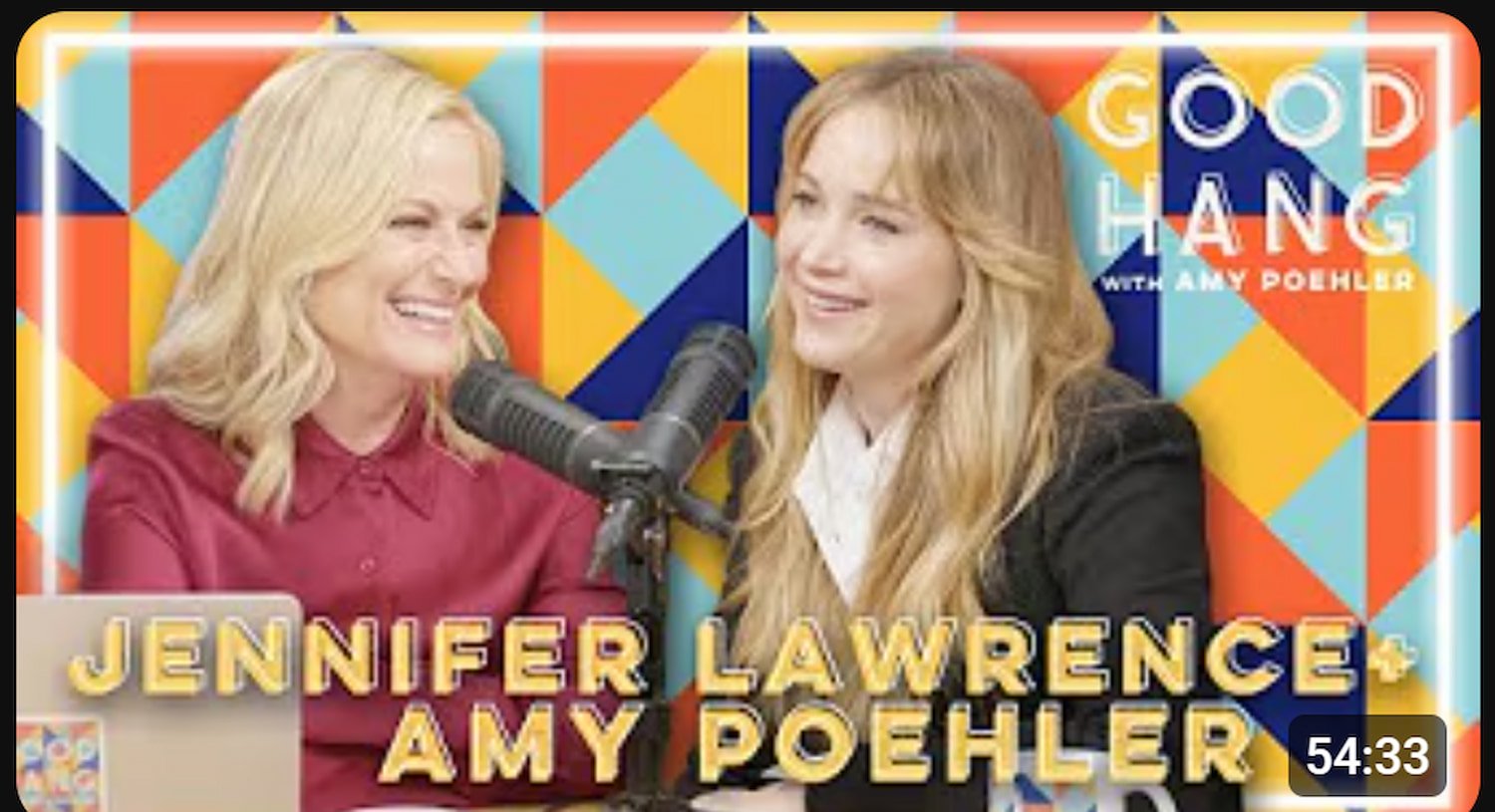
So when Amy Poehler sits down across from Jennifer Lawrence with cameras rolling, a full production crew, and professional lighting, what exactly are we watching? If it looks like a talk show, functions like a talk show, and serves the same purpose as a talk show - promoting celebrities and their projects - then should it be classified as one?
It pains me to say this, but Netflix is smart. They're testing the waters with sports and niche content first. They're establishing the podcast category on their platform and normalizing the idea that "podcasts" live on Netflix alongside scripted shows.
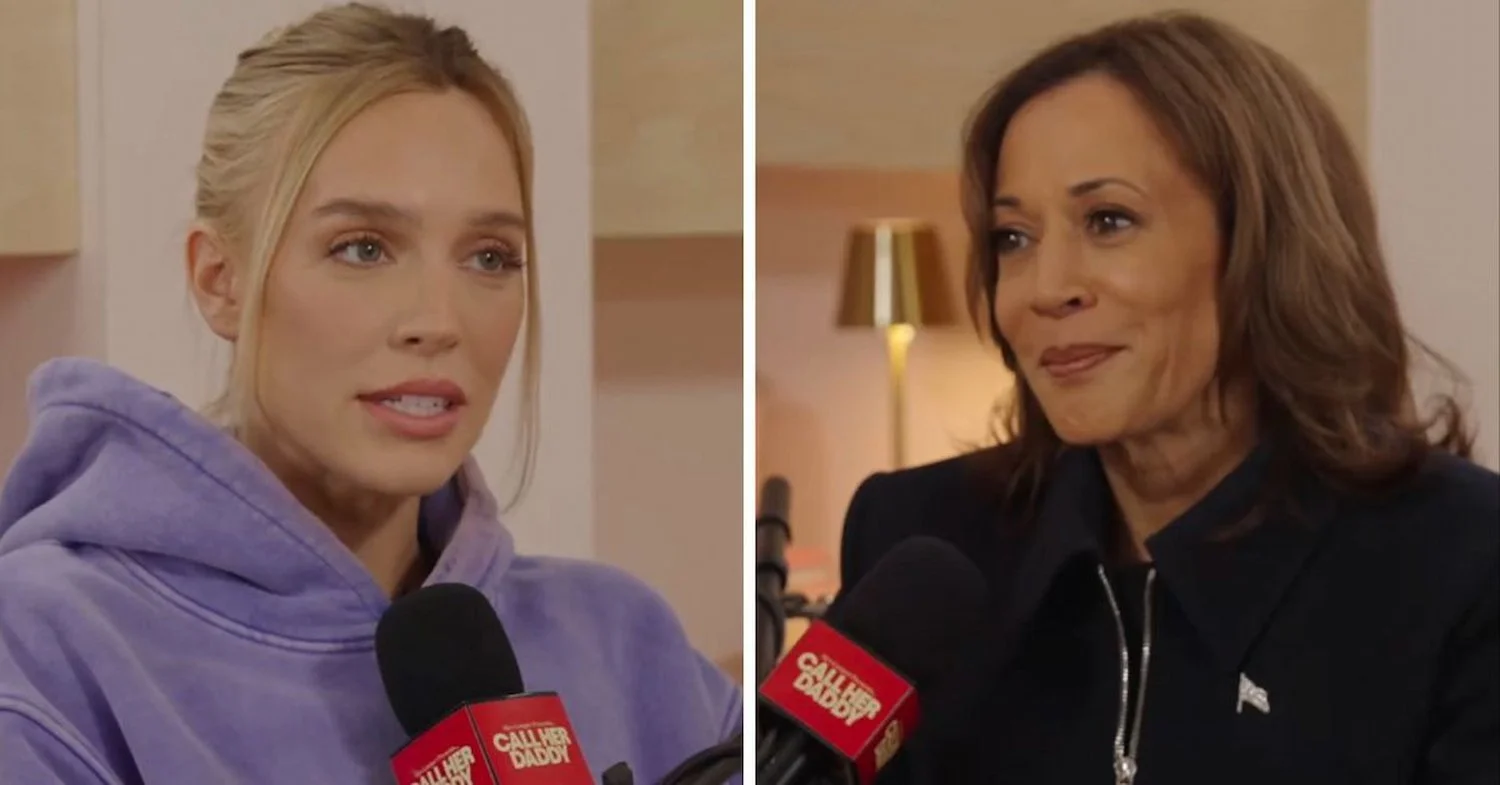
Strangely, “Good Hang” is not part of the Ringer/Spotify deal. Neither are "Call Her Daddy", “Armchair Expert with Dax Shepard”, “The Mel Robbins Podcast”, Jason Bateman, Will Arnett, and Sean Hayes’ podcast “Smartless” (all SiriusXM), or NPR’s “Up First” which were also nominated for the Golden Globe.
I think it’s inevitable “Good Hang”, David Spade and Dana Carvey’s “Fly on the Wall”, or other celebrity podcasts will end up on streamers. Streamers are either making the deal as we speak, or waiting it out to see how these other purchases fare. But when and if they do bring Poehler’s podcast to Netflix, what deal will they make? Netflix could potentially avoid WGA minimum rates for writers, SAG-AFTRA Network Code requirements, union crew standards, residual payments, and health and pension contributions. That’s right, they’ll get all the benefits of the old talk show infrastructure with a fraction of the labor costs.
Oh, and if I were Netflix, I'd make sure to ask my PR team to add the various podcast shows to the media circuit to promote the various Netflix original series. How long until “Bridgerton” actresses appear on a Netflix owned podcast to promote the latest season? Remember that 10% of guests I mentioned on Colbert touting Paramount properties? Well, this new streaming model could create a 100% closed ecosystem.
Many series already have their own podcast. Take, for example, “The Pitt Podcast” on HBO/MAX. You can watch hosts Dr. Alok Patel and Hunter Harris break down the episode and interview the cast and crew. It’s all right there already in video podcast format. And, don’t get me wrong, I watch most of these script series podcasts. I love hearing how the sausage is made, so please don’t stop making these, but also I hope everyone is being paid.
Some of what used to be BTS/EPK material (Behind the scenes/Electronic Press Kit) is now just being repurposed for podcasts. Reminder, in the old model, talk shows are protected by the unions. In this new model there are currently no union protections that I can find. (If I’m wrong, and please let me be wrong, someone tell me.)
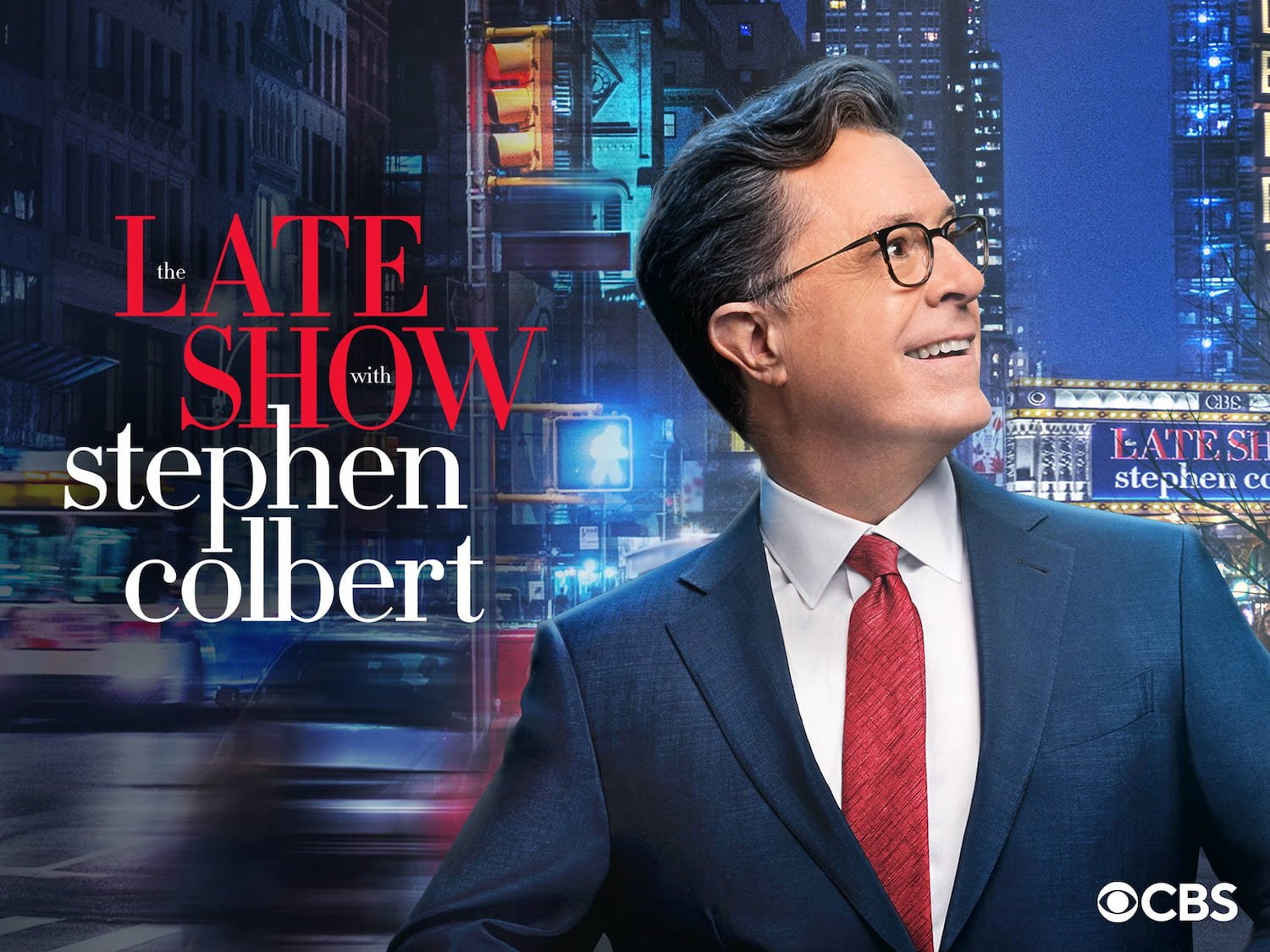
Colbert is ending soon and there goes one of the last major talk shows on network TV. Long gone are the days of Rosie O'Donnell, Ellen, and Donahue. But how soon until we have Amy Poehler, Joe Rogan, and Call Her Daddy taking those spots? And if so, will they be in this grey podcast space - this liminal space between radio and video? Or will they be defined as "Talk Shows" protected by the guilds and unions? Or worse yet for payment structure, reality TV?
The Reality Check
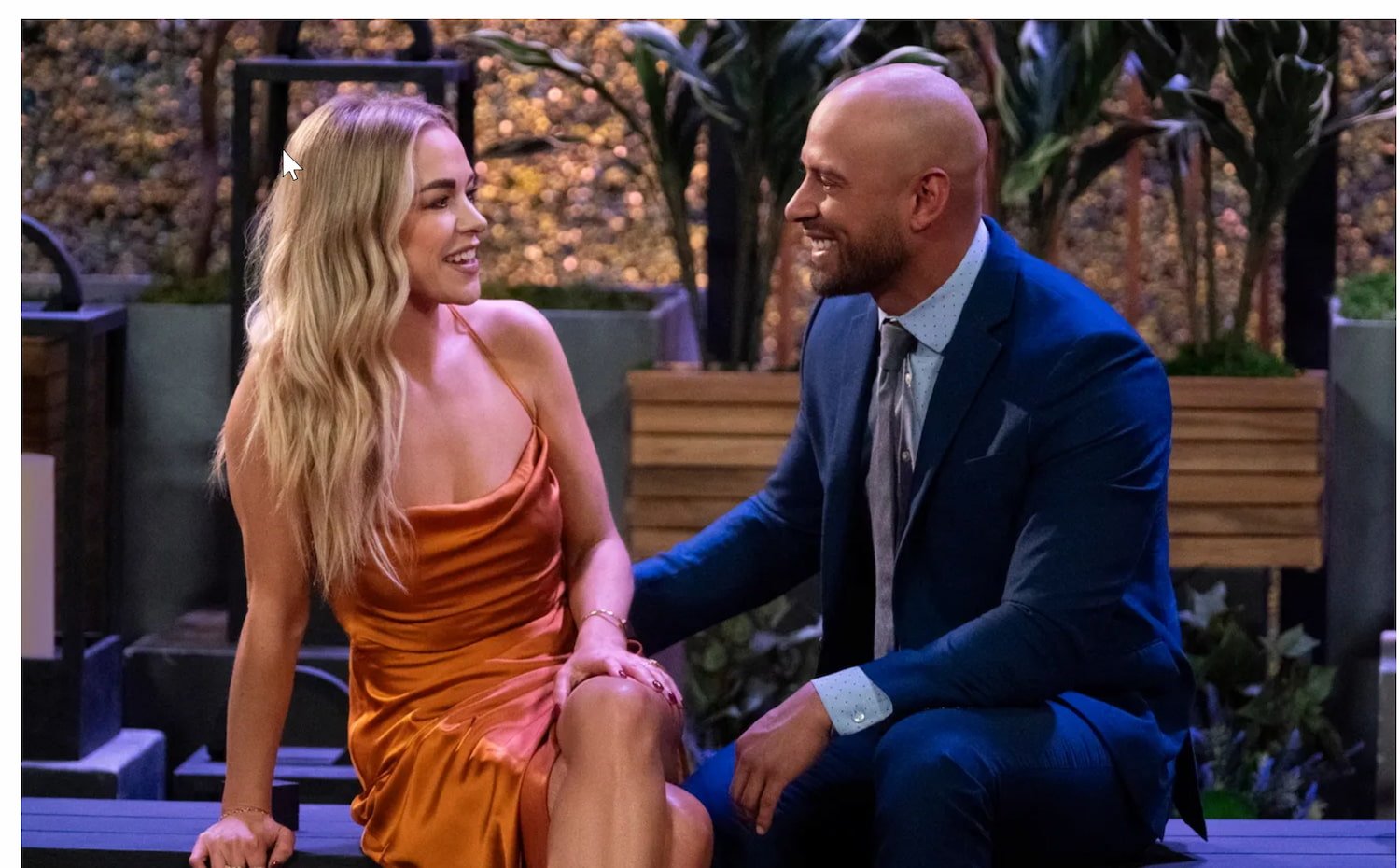
Reality TV was the canary in the coal mine. For years, networks have produced unscripted programming that generates billions in revenue while keeping most workers in a union-free zone. Reality show participants and crew members have fought for employee status. A few of the cast members of one of my favorite reality series, “Love is Blind”, filed a complaint in 2024 and actually got some protections. Some individual shows have union contracts, but the industry as a whole has successfully avoided comprehensive coverage. (Full disclosure: I love “Love is Blind” and if anyone wants to put this old gal in a muumuu in a pod to find true love, call me.)
Podcasts seem to be following the exact same playbook. Netflix, Amazon, Spotify, and eventually Apple (the creator of the “iPod” from which podcasts were born) are all super into podcasts simultaneously. This isn't one company's innovation, this feels like an industry shift.
All the major streamers are rebuilding the talk show promotional ecosystem, but calling them "podcasts" instead of "talk shows." Talent is doing it because they want to promote their products or get a payday, but this is a trend that will ultimately hurt them.
Video Killed the Radio Star
Let's call it what it is: "Good Hang with Amy Poehler" is a talk show. "Call Her Daddy" is a talk show. "New Heights" is a talk show. How is The Ringer or other sports podcast different from a panel of sports fanatics on ESPN chatting about the games? They have every element that defined daytime and late-night programming for decades – a professional host, celebrity guests, production crew, regular schedule, ad integration, promotional function. The only thing they're missing is the union protection that came with the "talk show" label.
The format didn't die, they’ve just found a way to shed its labor costs. This strategy seems to replace union-protected talk shows with non-union "video podcasts" that serve the exact same corporate PR playbook.
The real question is will anyone force them to call it what it is and pay accordingly? Or will we watch the entire talk show infrastructure get rebuilt under a different name, with all the cultural power but none of the worker protections?
I fear the days of regular talk shows will go the way of the dodo when the streamers can pay pennies on the dollar for podcasts. This goes for YouTube series and creators who make money on that platform, but promises from big streamers could lure them over. Then we’ve got a new slew of reality shows flooding the menus. Or will they just call them “content”?
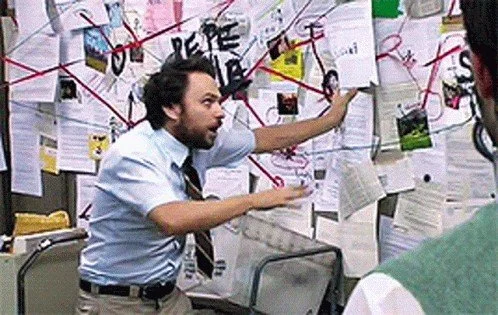
The WGA (and SAG) go back to the bargaining table this year and I can only hope this is something already on their radar. If not, maybe we all need to let them know at the next member meeting in February that podcasts could be the next “AI” intrusion into an already shaky system. But then again, I’m just a writer. I’m not an investigative journalist, a C-level suite exec, or statistician. But if I can come to these (hopefully, tin-foil hat) conclusions on my own after doing a couple weeks of research, I wonder what they could find…