General Meetings
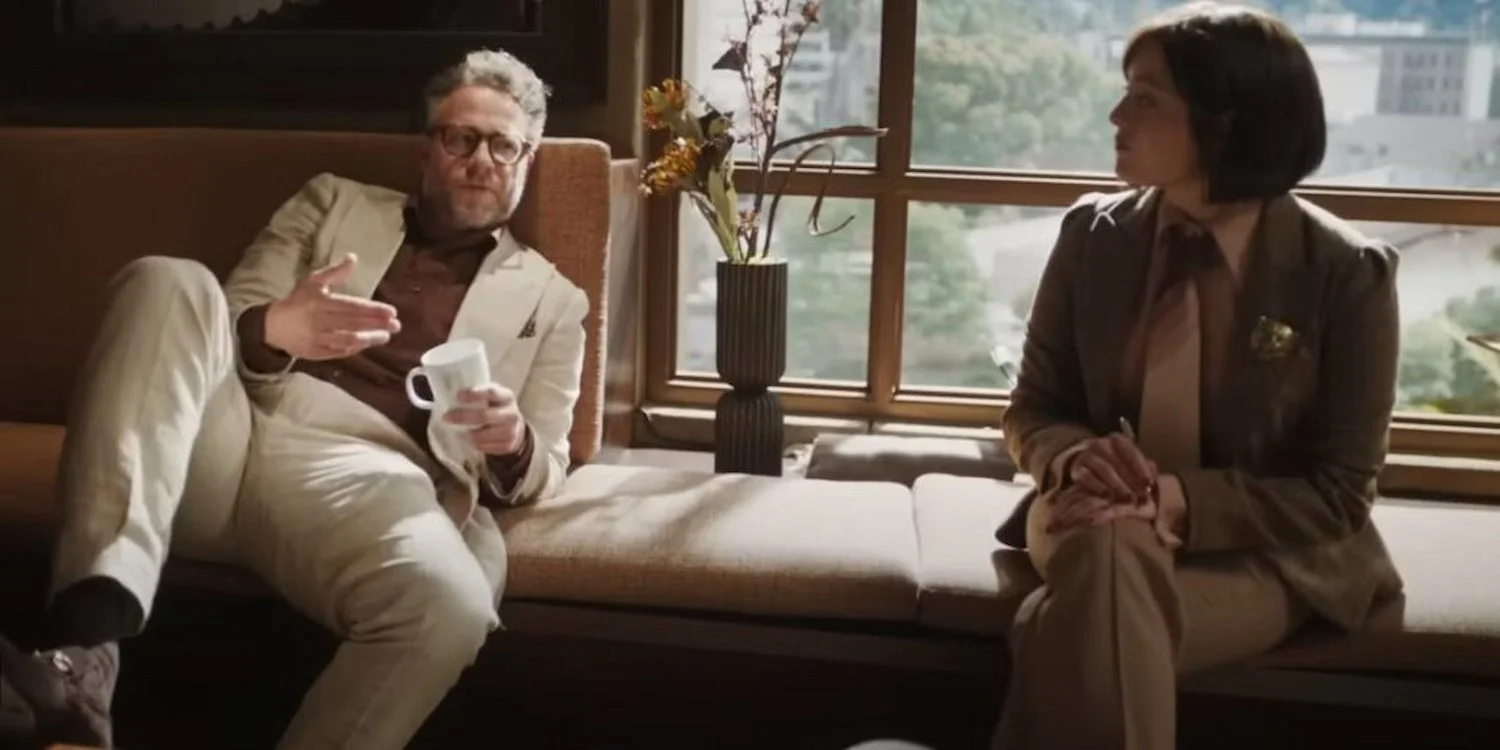
The Studio | AppleTV
One of the things your reps (agent or manager) should do besides negotiate your deals and put you up for jobs, is send your material over to an exec to set up a "get to know you" meeting. These general meetings are also called "generals," "water bottle tours," "cawfee tawlks,” "chin wags"... OK, just kidding on a few of those, but they're a vital part of getting your next job. As we know, the deck chairs move fast and furious these days, so there's always a new executive to meet and make sure they know you exist.
Some executive examples:
Producer
Studio Exec (either in the Current or Development dept.)
Network Exec (either in the Current or Development dept.)
Creative Executive
Director of Development
Showrunner
But how do you prepare for a general? What do you wear? What do you say? We're gonna dig into all that including a MUST DO tip that you can't forget!
Advertisement
Zoom vs. In-Person
Nowadays most generals are done via teleconference (aka Zoom) and besides the reason for starting (COVID) there's one good argument for why it should stay that way - L.A. traffic. A Zoom meeting allows you some extra time to prep, gives you the calm of a comfortable and familiar environment, and usually starts and stops on time. Any potential for awkwardness of wrapping things up is eliminated with an awkward wave goodbye and promises to stay in touch.
If it's over Zoom, make sure your background isn't distracting – no one needs to see your pile of laundry or hear your neighbor’s blasting TV. It's easier travel wise, but harder to engage. So it's really going to be about reaching through that computer screen to make sure they really understand who you are. Turn it up a notch.
I always have a notebook handy to list out a few questions or to jot down projects they pitch that I want to track. I also have a beverage (no, not THAT kind), and my phone handy. Make sure to keep it on silent, but within view. Sometimes an assistant calls to tell you their boss is running late or there’s a technical problem. You don’t want to be sitting there waiting in the Zoom room alone and freaking out.

Falling Down | Warner Bros.
The downside to Zoom is obvious – you don't get to meet someone in person. There's something to be said for literally sitting in the same space as another human. If the general is in person, you’ll most likely have to drive across town. In L.A. terms, 7 miles could take up to an hour to get to the meeting.
Sometimes the meeting is on a studio lot so you can do a little sightseeing while hauling ass across the lot to get to the Producer's bungalow. But you do get the perks of swinging by the studio store or taking the scenic route back to your car on a studio lot. Or, it's with an exec in some non-descript office building. There, you'll navigate the various levels of security to park in a garage, grab a validation ticket, accept the bottle of water from the assistant, read old trades on an uncomfortable waiting area couch, then have a quick 30-45 minute chit chat with the exec. Oh, and real talk: generals can run anywhere from 15 minutes to 90 minutes. Don't judge your performance based on length – sometimes a short meeting is a good meeting because everyone clicked fast. Sometimes a long meeting means you really connected. Either way, you showed up and did the work. I think a combination of both in person and teleconference general meetings are a good mix, if possible.
General… General Tips
You’ll be asked for or should offer your origin story which basically is your personal synopsis. This is the part where you talk about where you grew up, why you got into film/TV, an interesting anecdote, and why you are excited to be at XYZ company meeting with them about potential projects. But here's the thing, when they ask, "Tell me about yourself," they're not really asking for your resume. They want to know WHO YOU ARE. What do you do for fun? Are you obsessed with watching the Big Bear Eagles on YouTube? Do you make a mean sourdough? Do you volunteer at an animal shelter? These details make you memorable and give execs a hook to remember you by. "Oh yeah, the writer who's really into antiques" is easier to recall than "You’re the writer who... wrote that thing."
Next, the exec would fill you in on what they have in the pipeline for development and if they think something is a fit, pitch you the idea. These are called OWAs (Open Writing Assignments) which are projects already in development that need a writer attached. Then you’ll say something like, "That sounds great, let me mull that over and get back to you." And you'd either come up with a cool take or it would die on the vine.
Or none of that is offered and you just get to know each other and off you go. It's a little like a first date. You're building a different kind of relationship here, and the likelihood of running into this person again is high, so keep that in mind. This town is small, I can't tell you the number of meetings we've had where I knew the exec sitting across from me because we came up the ranks together as assistants. Already you have something to talk about and the vibe is friendly. Now, not everyone will have that luck, but when it does happen, it's a nice cherry on top of the cake.
And remember, this is a TWO-WAY conversation. Don't just sit there nodding while they talk about their slate. Ask questions! What are they excited about right now? What kind of stories are they looking to tell? You're interviewing them as much as they're interviewing you.
Vibe Check
About the energy you bring into the room (or onto the Zoom): be positive, confident and affable without being arrogant. Enthusiasm is contagious, but desperation is repellent. You want them to feel like you're excited about the possibilities, not desperate to be liked and hired. But you know this already – it’s always good to have a reminder.

Nothing too personal is shared, just a casual conversation and a decision to see each other again down the line. You're NOT THERE TO PITCH unless they ask you to tell them a little more about a project you're working on. Oh, and they may or may not have read your material, so don't bring it up, it could be awkward. But a good exec will mention it, say they liked it or comment on it in some way.
If they do bring up the script that got you in the room, be ready to talk about what inspired it. Not just the logline, but why that story, and why now. What about it grabbed you and wouldn't let go? That passion is what they're looking for. Don’t be afraid to geek out about your project, just don’t go on too long…
Dress For The Part
Don't dress up too much. You're a writer, but that doesn't mean come in your yoga pants or sweats, just business casual. Look nice, but if wearing a suit jacket makes you sweat, DON'T DO IT! I've been on both sides of these meetings and a nice pair of jeans and a clean shirt go a long way for a writer.
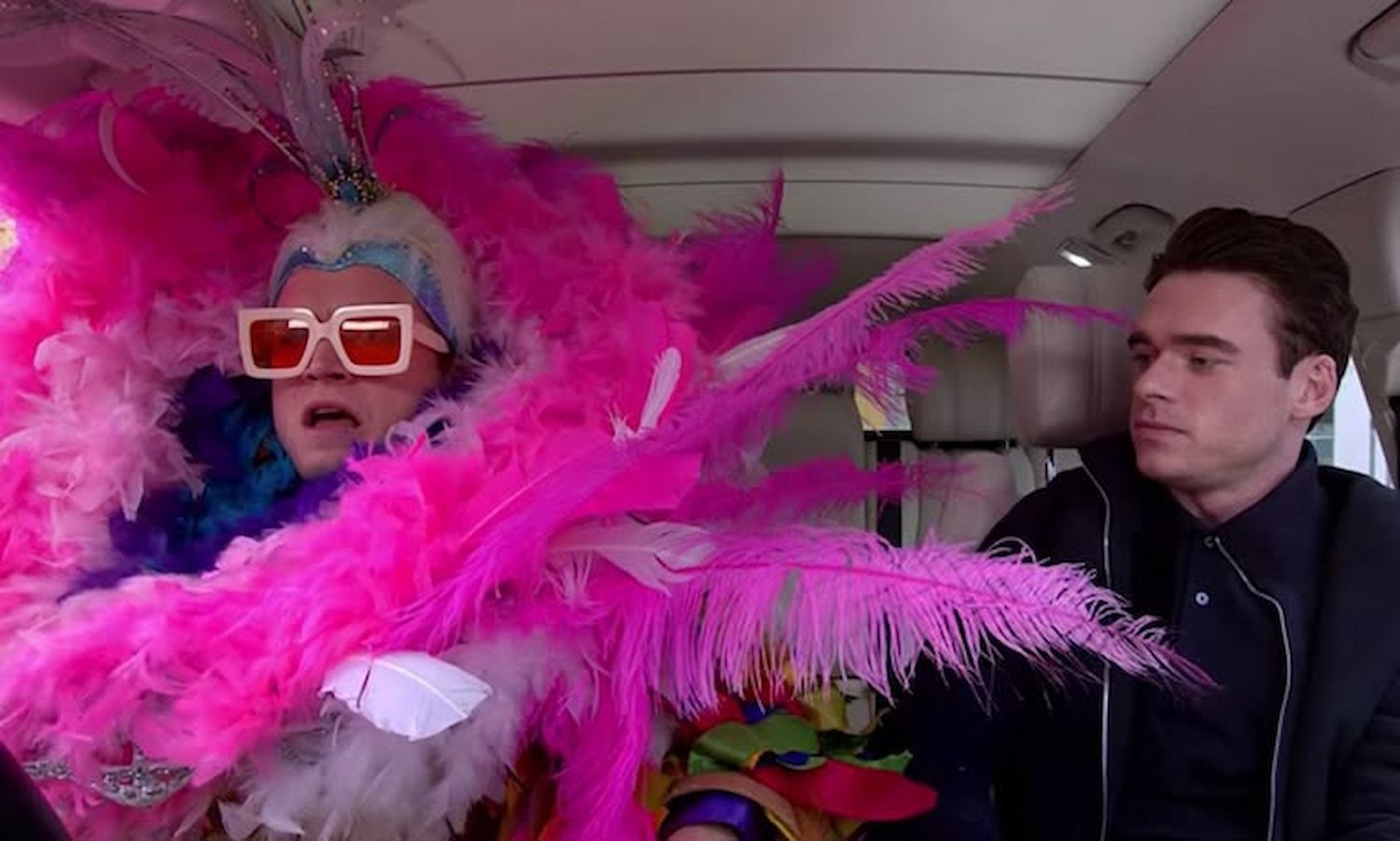
Rocketman | Paramount Pictures
The exec will be dressed nicely if they're in a corporate gig, but don't let that make you uncomfortable. But hey, if you're used to dressing up and that's your thing, DO THAT. Just be you, that's the whole point of the meeting. If it's on zoom, might I suggest the meeting mullet (business on top and party on the bottom)? Trust me, no one will be the wiser…
Do Your Homework
Do a little research before the meeting – can you find anything about this exec in the trades? Check out IMDBPro to see their credits and what they've worked on. Is there a project they're currently working on that you love or one they did in the past (even if it was at a different company)? Tread lightly here, you don't know if they HATED the show or parted ways badly with the previous company, but a casual mention of something at least as a conversation starter is always a good idea.
You might even discover you went to the same college or grew up in the same state – any connective tissue is worth working into the conversation. "Oh, I know so-and-so and saw you worked with them on (XYZ project), how was that?" Now you have something (rather, someone) in common and they can chat awhile while you sip that delicious free water.
Let's say they produce one of your favorite shows, mention that! Talk about how much you love the show, why you love the show, and let them know it's a show you'd love to work on. You'd be surprised, they might say, "Oh, we'll be hiring on that soon, I'll put you in touch with the showrunner" Or "I’ll mention you to the showrunner" either way, knowledge is power and it never hurts to show them you have real interest in getting to know them as not just an exec who could hire them, but as a person. It's not a requirement, everyone is different, YMMV, yada yada, but I genuinely am interested in how people got from point A to point B.
Come Prepared
Expect them to ask you what you're working on now or next and have an answer ready. Actually, have MULTIPLE answers ready. Don't just have one project to talk about – have 2-3 different things at various stages, ideally in different genres. This shows you're prolific and versatile. "I'm finishing up a sci-fi thriller, outlining a family dramedy, and have this horror spec I'm dying to write."
Especially if your next thing lines up with a genre or subject they just mentioned they're looking for. The odds of the exec saying they'd like to read your script when you're finished are high. Take them up on it! Mention it to your reps after the meeting and jot it down somewhere so you remember to send it to them when you're taking it out.

And know your "brand" as a writer. Not in a cheesy way, but be able to articulate what KIND of stories you tell. "I write character-driven sci-fi with diverse leads" or "elevated horror about grief and trauma" or "dark comedies about dysfunctional families." This helps execs know where to slot you in their mental Rolodex. (Kids, google it.)
Post Meeting Etiquette
I can honestly say every general meeting matters… even if it doesn’t feel like it at the time. You're now known by those execs and if something comes up that reminds them of you, you're put on a list or get a call. Now, true they meet with EVERYONE so who's to say who they actually remember, but that's kinda your job. Make them remember you in some positive way.
Sometimes, I would be bold enough to get their email address in the room or ask my reps after the fact, so I could send a thank-you note and keep in touch. You can send a thank you email within 24 hours but keep it short. Mention something specific from your conversation so they remember you, and express genuine gratitude for their time. That way, if you want to toss them a quick paragraph of a pitch (only if they offer), you can do so without it being weird. Or, if I see their name in the trades talking about a new show, I might shoot them a "Congrats" email and leave it at that.
Shawna and I had one terrible general meeting that we thought was going so badly we actually did the midwestern thing of slapping our thighs and saying, "Welp, I spose… This was great, I guess we'll keep in touch if anything comes up we'd like to work on together…" Then we stood up. Shook hands, and left. I kid you not. We had NEVER done that before. (And haven't ever again.) We told our reps we probably just ruined any chance of working for this big streamer, but lo and behold a month or so later, we got a showrunner meeting and he proceeded to tell us that the “bad meeting” exec recommended us for the gig. Shawna and I almost flubbed the rest of the meeting because we were floored. Come to find out, we pulled the meeting ripcord just in time as to not make it go too long and for the exec pitching us about algorithms and how computers will soon do our jobs was perhaps not the best thing!
So, no meeting, good or bad, is ever the end. Don't go in expecting to book a job from every general. That's not realistic and you'll drive yourself crazy. The goal is to make a connection, plant a seed, and build a relationship. Sometimes the meeting that felt like a disaster leads to your next job six months later through some weird Hollywood butterfly effect. You will no doubt cross paths with that company or that exec again. People move around too, so if you met Nancy at Netflix, she might snag a gig at Apple a few months later, and you can reach out to see what she's got cooking over there…
The Must Do

Remember that MUST DO tip I mentioned at the top? It is to write down what you’re watching/liking. I use an app called TV TIME to monitor which episode I’m on in a TV series. Or I keep track of what films or shows I want to watch. I swear, in every meeting, I get asked what I'm watching and sometimes I draw a blank. Sometimes you watch EVERYTHING, so the question feels overwhelming! But I suggest you memorize a few options pre-meeting. Whether you're up to date on "High Potential", or going back into the archives and binging “West Wing”, write it down. And don't just say show titles, add a little bit about what you're digging or a talking point so you don't sound like a walking, talking TV Guide. (Kids, again, google it.)
Make a Wish List
You'll be sent on a lot of these generals and if you're not, make a list of execs you'd like to meet and give those to your reps. I like to ask my peers who they've liked meeting recently. You're not asking for an introduction here, just a name. You need to do the work to help get that meeting on the books. I also track shows in the trades to see what's being produced/airing that sounds interesting and then track down the executives associated with it. With a little legwork you can get a good idea of who's who around town. Even if you don't get that meeting on the books, you'll have a wishlist as your career grows.
Take Aways
Don't forget to get your parking validated.
Take the water bottle if offered one.
Be a little early or on time, but never late or SUPER early. If you arrive 15 min or more before the meeting, walk around the lot or block. They won't be ready for you, I promise. And sitting in that waiting area can be awkward.
Generals are usually 30-60 minutes but could be shorter or longer. But it's rare they'll chat too long, an assistant usually breaks it up to keep them on schedule. But don't judge your meeting based on the length. Get in, share your story and make your impression, and get out.
Do your pre-meeting homework about the exec/company/shows. Check IMDB, trades, and the company website.
Make a list of the stuff you're reading/watching/liking. Don't bring it with you, but use it to jolt your memory so you'll be primed for the meeting when asked.
Have 2-3 different projects ready to discuss at different stages and in different genres.
Know your "brand" as a writer – what kinds of stories do you tell/want to tell?
Ask questions back – this is a conversation, not an interrogation.
Don't expect a job from every meeting – you're building relationships for the long game.
Use their restroom or a public restroom in the building before you hop back in your car. Not only is it a good idea cause you'll probably be stuck in traffic on the way home, but it's a good moment to regroup post meeting.
Track your generals in a spreadsheet. People move and names come up again and again, make sure you remember who you’ve met.