Feast or Famine
According to the WGA (Writer’s Guild of America), the number of TV writing jobs fell by 42% for the 2023-2024 season. That’s not a meritocracy, it’s a massacre. And I’m one of the many who feels like they’re disappearing without consent during this Thanos snap of industry change. I know – the constant barrage of articles bemoaning the dust bowl that L.A. has become in terms of TV/Film production… A.I. “innovation”… corporate mergers… and CEO salaries – is exhausting. But we have to talk about the hard, honest truth regarding the state of affairs as artists are being forced out to pursue other passions. Creators who have worked on some of your favorite shows or films are having to supplement their income with side hustles, second jobs, or abandoning their craft altogether. I realize the economy is impacting other people in various fields the same way, but since this is the one I work in and know, we’ll focus on the entertainment industry.
I’d happily write screenplays until I die, but my expiration date looms ever closer if nobody pays me to do so. The sad state of needing benefactors to ensure artists are fed, watered, and rested is historic in societies where art is considered a pastime, a curiosity, or a luxury. But I think art is a necessity. Even bad art (A.I. slop) prompts discussion, learning, and enlightenment. I’m dismayed daily as I watch friend after friend, peer after peer, creator after creator unable to find footing in a town slick with the leftover blood, sweat, and tears of others before them. They’re not just being pushed out of writing, but leaving the industry in droves. Why? Here’s a few reasons I came up with off the top of my head, but not all of them:
DEI elimination
A.I. over-promises
Predatory behavior
Ageism
Sexism
Cost of living increases
Inflation
Overseas production
Merit-based expectations in a white, patriarchal society
Wage discrimination
Tech bros taking over studio/producer jobs
Budget cuts
Union minimums becoming maximums
Shortened episodic ordering
Corporate Mergers
Hollywood has always been fickle, unfair, and provided high barriers of entry. But when most attempt to “break-in” they do so with some knowledge of how the industry operates. How others got in before them. How luck could be the only key. It felt like there were a million ways to make it in TV/Film but now, it’s not just the taste of the audience that’s ever-changing, it’s the industry itself.
When I was in film school at Columbia College I wrote a paper predicting that cable television would soon become more popular than network TV. That was before streaming. Before YouTube. Before TIVO/DVRs. This kind of statement was unheard of. My astute, Peabody-winning professor Ed Morris waggled his eyebrows at me and said he hoped I wasn’t right. He knew that would either be the beginning of an end, or, if handled properly, the start of a television renaissance. And it was for quite some time.
Cable provided more niches and outlets than ever for writers to pursue and the artform continued to elevate. Innovation can drive improvement so long as there’s a need. But when the need dissipates, when information can be discovered elsewhere, or stories can be told better, cheaper, faster, then the technology points that direction like a dowsing rod. And now we’re in this mess because the antitrust laws that were meant to “...protect the process of competition for the benefit of consumers…” have been chipped away at in the courts, leading us astray.
Ed Morris understood something crucial: technology always reshapes storytelling, but the question is whether it serves artists or replaces them. Looking at the historical trajectory, you can see how each innovation created new opportunities… until now.
The trends have always been swayed by technology:
Theater → Film → Radio → Television → Home Video (VHS/Betamax) → DVDs → Cable TV → Satellite TV → DVRs → Web Series → YouTube → VR/AR → Streaming → Social Media → Verticals → A.I. Generated Content → (!?)
You can see with each iteration how many of the popular storytelling techniques morphed or split off into new sectors of innovation. It’s natural for technology to continually change any field, but once a human cannot find job opportunities in their field, does that field actually exist anymore? Sure, it will take a human to create the A.I. actor, sets, costumes, etc… for that piece (film/show/commercial), but then where do the other creatives (actors, directors, writers, etc…) go if you can simply swap them out for a computer? I know I sound tin-foil hat-y here, but stick with me. Because this is already happening in my field and it will no doubt come to yours. This isn’t paranoia, the numbers prove it.
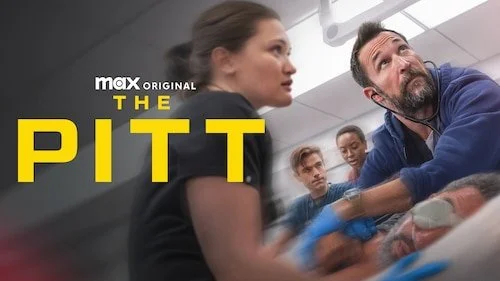
Because of, and maybe in spite of, Netflix, Amazon, and Hulu, we hit peak TV around 2009-2019 with approximately 600+ shows in production. Guess what that number is today? Less than 400 with the giant asterisk because most of those are basically mini-series or less than 12 eps. Network TV is the last bastion of 13+ episodes a season but breakout shows like, “The Pitt” on HBO/MAX with 15 episodes in Season One are reminding streamers why that model works.
But Network TV isn’t immune from change. Across the big five (ABC, NBC, CBS, CW, and FOX) they used to produce upwards of 80 shows a season. Today? Half that. 40 shows means fewer development deals and less pilot testing (fewer writer sales), fewer pilots going to series (less staffing), and fewer positions in a room (less opportunity)... you get the idea. But it’s not just how many shows — it’s about how they’re made.
In my writer hierarchy breakdown, I pointed out the bottlenecks in the mid-level and lower-level writer fields, but even the upper levels are being chipped away at. Shows used to employ anywhere from 6-15 writers a season (we had 16 on “The 100” one season because of 3 writing teams). Now, many rooms are slimmed down to 3-10 writers TOPS. The WGA minimum requirements meant to ensure writers were protected (6+ writers on shows with 13+ episodes) quickly became permission for studios to use those guidelines as maximums. No fault to the WGA, but something we all saw coming.
The rationalization is that shows only need 4, 6, 8,or 10 episodes a season when there used to be an average of 13 to 26. On just a business level, a low episode count doesn’t make sense for streamers. Sure, they deal in quantity in terms of the number of shows to choose from, but to maintain viewership you need something that keeps them subscribing. If only there was a network model for having a show with compelling storylines, clear formulas (not formulaic, but expectations are managed), great writing, time to grow characters, interesting locations, good promotions (ads), and promised returns next season that equaled viewership loyalty. Sigh, I feel like I’m going slowly insane…
I don’t know about you, but the number of times I’ve discovered a TV show on a streamer and immediately thought, “Can I afford to fall in love with another show only to have it unceremoniously taken away from me?” For many viewers, the answer has been a resounding NO. They’re tired of the bait and switch. They want assurances that their time investment will provide entertaining dividends. That’s why shows like “Suits” find second lives on streaming after airing on USA for 9 seasons and 134 episodes. It’s like discovering a television goldmine in a binging world.
Why Now?
I’m hopeful the industry will right itself, but my current ability to make a living in this profession has almost been demolished. I guess I have some solace in knowing I’m not alone. The outlook doesn’t fare well for 2024-2025, as it was just announced that the WGA health fund lost $122 million in the past two years. A bellwether of increasing healthcare costs, sure, but the real truth? The fund isn’t being supplemented for the membership because writers aren’t finding work.
Many, like myself, have been struggling since the pandemic, the strikes, and the mergers and had to go on “Post Current” status. “Current” status only lasts for 4 years post a job ending. Obviously, if you get hired on another show during that time the clock starts again. But more people going Post Current means fewer people being paid which means less money coming in to supplement the health fund. Sorry, all you wonderful people running for WGA positions, I cannot vote for you, but I support your efforts from afar.
“But, Julie, you worked on shows recently, what happan?” Well, those gigs were in animation, not covered by the WGA but rather IATSE Local 839 (TAG - The Animation Guild). Not only did I have to fork over the 4 grand in initiation fees, I didn’t even receive residuals and those jobs didn’t count toward me benefiting from the Writers’ Guild’s health fund. Oh, and because IATSE doesn’t have the same protections for writers that the WGA has, I made significantly less money (50% less), had to fight for my title (most writers are considered Staff Writers on IATSE covered animated shows), and had to buy my own healthcare. After a few years of that, my WGA status lapsed.
And yet, here again, I’m not alone. Many writers turned to animation jobs during the pandemic when on-set productions halted and faced the same turn of events. I banged a pretty loud drum about these inequities but until all writers are covered under the WGA, this will continue to do harm. I’ve had to request an honorable withdrawal from IATSE as I haven’t found animation gigs either. Sadly, those jobs are drying up faster to A.I. because they can be exploited more thanks to writers only making up 10% of the IATSE union and not having safeguards like the WGA. Corporations know the truth that A.I. cannot replace humans, but they seem intent on eliminating our jobs nonetheless. Maybe they need to hire writers who can give “exploitation” better branding.
Adding insult to injury, Disney just announced their deal with OpenAI’s Sora. Disney will license their intellectual property, deploy ChatGPT for their employees, but most worrisome of all, air the A.I generated material on Disney+. All of this was under the desire to “boost engagement” but I can’t help but feel we’re about to see another exodus from Disney+ subscriptions. More worrisome is the news that the deal was in stocks, not the supposed licensing fee we all thought. What happens when the A.I. bubble bursts and the shrapnel embeds itself even more directly in our industry via Disney?
And I’m not the only one who noticed the apparent sanctioning of A.I. in entertainment this provides. The WGA released their usual scathing shock announcement about the deal and honestly, even if they’re doing yeoman's work ringing that bell on Rix Road, it’s akin to tossing arm floaties in the ocean water with a note attached: “Be careful around this iceberg” while the Titanic rots at the bottom.
Before you think this is just sour grapes from a struggling writer, just know, writers don’t want handouts, we just want “at bats”. I don’t know much about baseball, but according to Wikipedia, baseball players need 502 chances at bat to get stats for certain rankings. Imagine getting over 500 chances in television. Well, we can’t all be sex pests, so imagine 5. That’s how we grow in our field, by learning from seasoned Showrunners and gathering inspiration from fellow writers. But not all Showrunners realize mentorship is a powerful tool in their pocket.
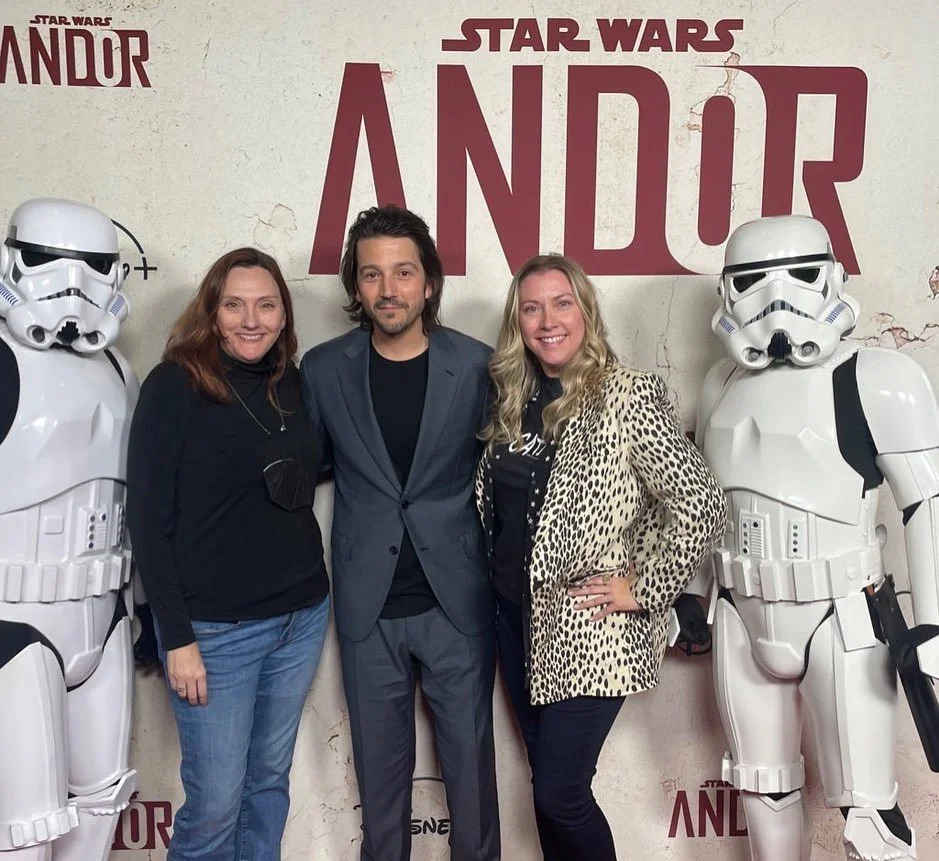
For example, Shawna Benson (my sister and writing partner) and I went to a Television Academy FYC event for “Andor” literally two days before the WGA went on strike. To my shy sisters’ horror, I walked right up to Tony Gilroy (one of my favorite writers) to congratulate him on the show’s success and ask two questions. The first: why didn’t he have women writing on that series? His eye-widening response was a foot shifting, apologetic, yet adamant explanation that he did try to read lots of women writers (insert binder joke here) while staffing, but none seemed to hit the mark/be good enough/blow him away/not sci-fi enough (not his exact words, but essentially his estimation). I jokingly tried to ease his discomfort (something women constantly do so as to not offend) that standing here in front of him were two women writers for Star Trek who could have helped take the heavy production load off his shoulders if nothing else. A polite but nervous laugh later, I asked him my second question, something to show unity with my fellow writer – was he going to be on the strike line with us should the strike happen? He clearly was a fan of unions and quickly reminded me that his father was a writer, so yes… but he was knee-deep in season two of “Andor” so he wanted to see what all the strike rules were so he would be sure not to break them. OK, cool… Shawna and I went straight to the bar. (Note: Tony Gilroy never hired a woman writer on “Andor” but did join the strike lines which ruled. Still a big fan of his work, even if I’m still scratching my head at our conversation.)
But it’s the Showrunner’s decision who to hire, right? Yes, but if every person in power decided everyone working for their show had to be at their level or better, no one would be hired. You don’t hire a writer who has 20 years of experience, you hire someone to become that person. Besides, hiring for perfect scripts is a fundamental misunderstanding of how the TV industry works. Understandable from Mr. Gilroy as he found his success in features where writing is siloed. But TV is collaborative. Someone in the room might not be an A+ on the page, but they provide great benefit in generating ideas, whereas, someone with an elegant script in isolation might be a disaster in the room. IMHO, “Andor” could have really benefited from a few women in that room since the show had at least 4 female leads, one of whom spent the majority of her season 1 screen time being repeatedly tortured. Maybe that’s why I know what kind of milk Syril liked with his cereal, but almost nothing about Dedra’s backstory growing up in the “Kinderblocks”. Tony Gilroy is a brilliant writer, but in my opinion, awful at the hiring process. Mentorship isn’t charity, it’s good business.
What Now?
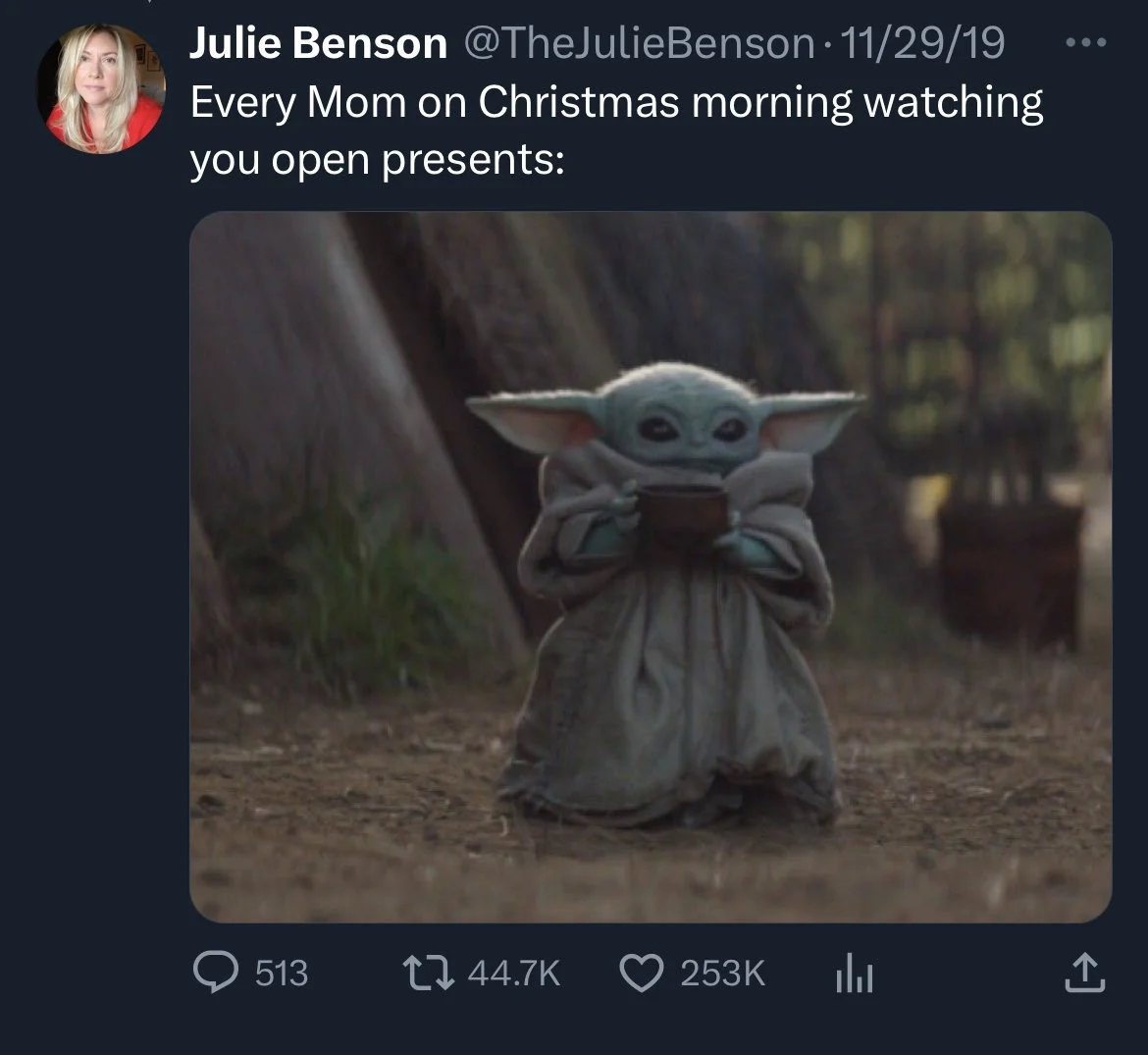
Writers may be leaving Hollywood in droves, but not by their own volition. Without the support of a stable industry, we’re left to improvise and adapt. Some are taking teaching jobs, others shifting to self-publishing, newsletters, blogs (oh, hi!), driving Ubers… Maybe we’ll go back to writing plays for the theater and start all over again. I mean, I started my entertainment career working in a movie theater, which might have been the best job to have — free movies and popcorn every day circa 1995? Wish I could make a career of posting silly memes. Honestly, I could think of worse jobs.
Many of those wiped out of the writing industry might not be paid writers, but write regardless. It’s in our blood. That’s the reason I started this blog, to keep my writing muscles greased, help others, and, in the process, discover what else I might be good at. What interests me? What discernible skills do I possess? Even if I discover my next chapter isn’t writing at all, I’ll always bet on art over algorithms.